Golf Cart Customization vs. Modification: What's the Difference
Customization refers to cosmetic changes that alter how a golf cart looks, while modification refers to mechanical or electrical changes that affect how it performs or operates. Both are popular among golf cart owners in The Villages, but they carry very different implications for warranties, insurance, and Florida street-legal requirements. Knowing which category your planned upgrade falls into helps you avoid costly surprises and ensures the work is done safely. Learn more about Customizing.
Cosmetic Customization: Changing the Look Without Changing the Machine
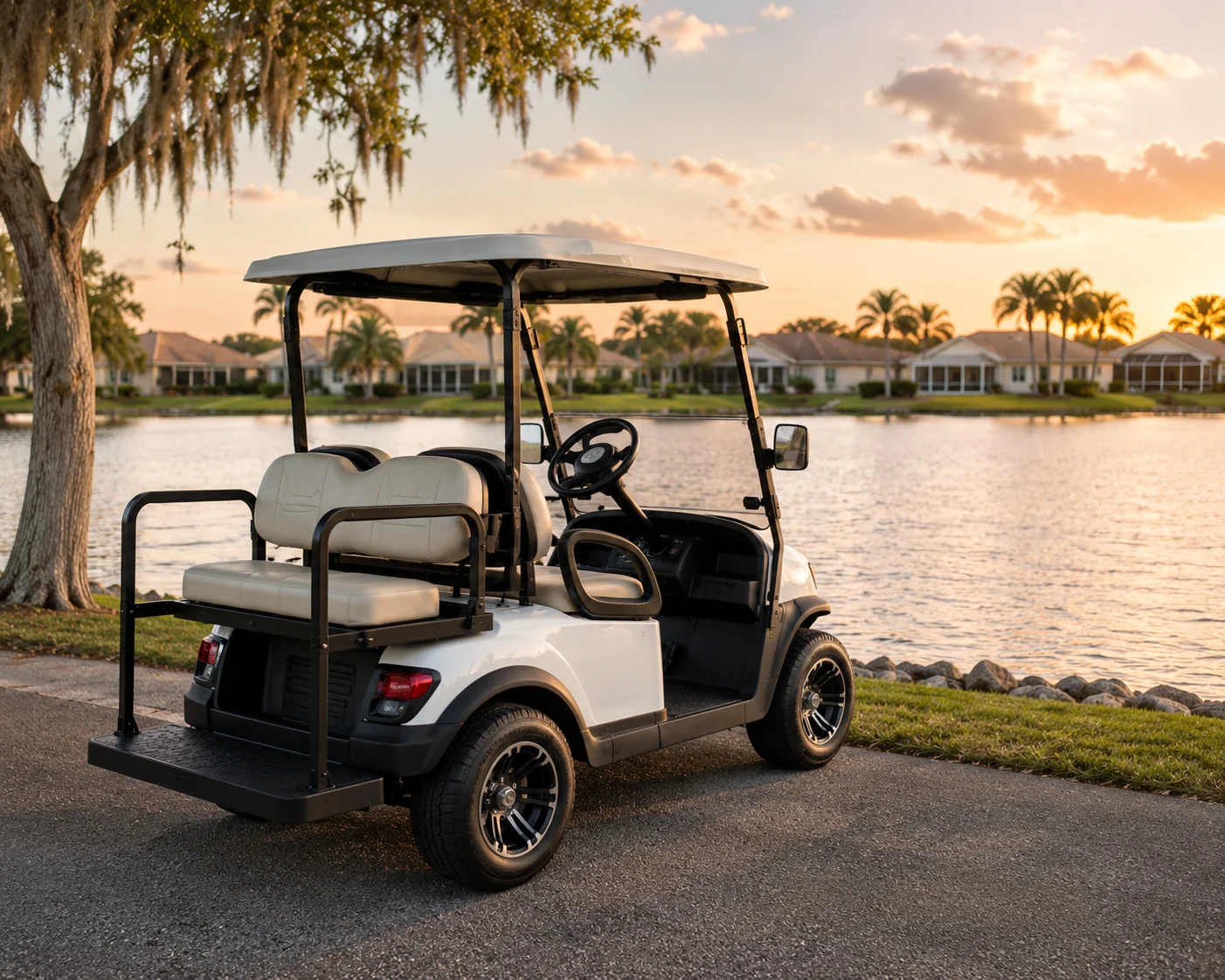
Cosmetic customization covers any upgrade that changes the appearance of your cart without touching the drivetrain, electrical system, or steering. Common examples include custom seat upholstery, body panel wraps or paint, decorative wheel covers, upgraded lighting accents, and personalized decals. These changes are generally low-risk, do not affect your manufacturer warranty, and do not trigger Florida's low-speed vehicle regulations. That said, even cosmetic work benefits from a professional touch, since poorly fitted panels or aftermarket lighting wired incorrectly can create problems down the road.
Mechanical Modification: When the Change Goes Deeper
Mechanical modification means altering any system that affects how the cart moves, stops, or generates power. Lifting the suspension, swapping to larger tires, upgrading the motor controller, adding a lithium battery pack, or installing a rear seat kit that changes the cart's weight distribution all fall into this category. These changes can meaningfully improve performance and utility, but they also introduce real considerations that cosmetic work does not.
In Florida, golf carts operated on public roads must meet low-speed vehicle standards, and certain modifications can push a cart out of compliance or require re-inspection. Mechanical changes can also void portions of a manufacturer warranty if the work is not performed correctly or if incompatible parts are used. For Club Car, Yamaha, and EZ-GO carts alike, the safest path is having a qualified technician assess the modification before and after installation.
- Lift kits and oversized tires change handling and may affect brake performance
- Motor or controller upgrades alter speed and torque beyond factory specs
- Battery system changes affect range, charging compatibility, and electrical load
- Rear seat or cargo bed additions shift the cart's center of gravity
- Added electrical accessories like sound systems or USB ports draw from the existing battery
Six Upgrades and Which Category They Fall Into
Use this quick reference to gauge whether your planned upgrade is cosmetic or mechanical before you schedule service.
Custom Upholstery:
Cosmetic. Replacing seat fabric or foam changes comfort and appearance only. No mechanical systems are affected, and warranty impact is minimal.
Lift Kit Installation:
Mechanical. Raising the suspension changes ride height, handling, and tire clearance. Professional installation is strongly recommended to preserve safe operation.
Wrap or Paint:
Cosmetic. A vinyl wrap or custom paint job is purely visual. Quality matters for longevity, but there is no effect on performance or compliance.
Lithium Battery Upgrade:
Mechanical. Switching from lead-acid to lithium changes the electrical profile of the cart. Charger compatibility and wiring must be verified by a technician.
Upgraded Headlights:
Borderline. Replacing factory lights with brighter LEDs is cosmetic in intent but involves wiring. Improper installation can drain batteries or create shorts.
Speed Controller Swap:
Mechanical. Changing the controller affects top speed and torque. This modification has direct implications for street-legal status on Florida public roads.
Why the Distinction Matters for Street-Legal Carts in The Villages
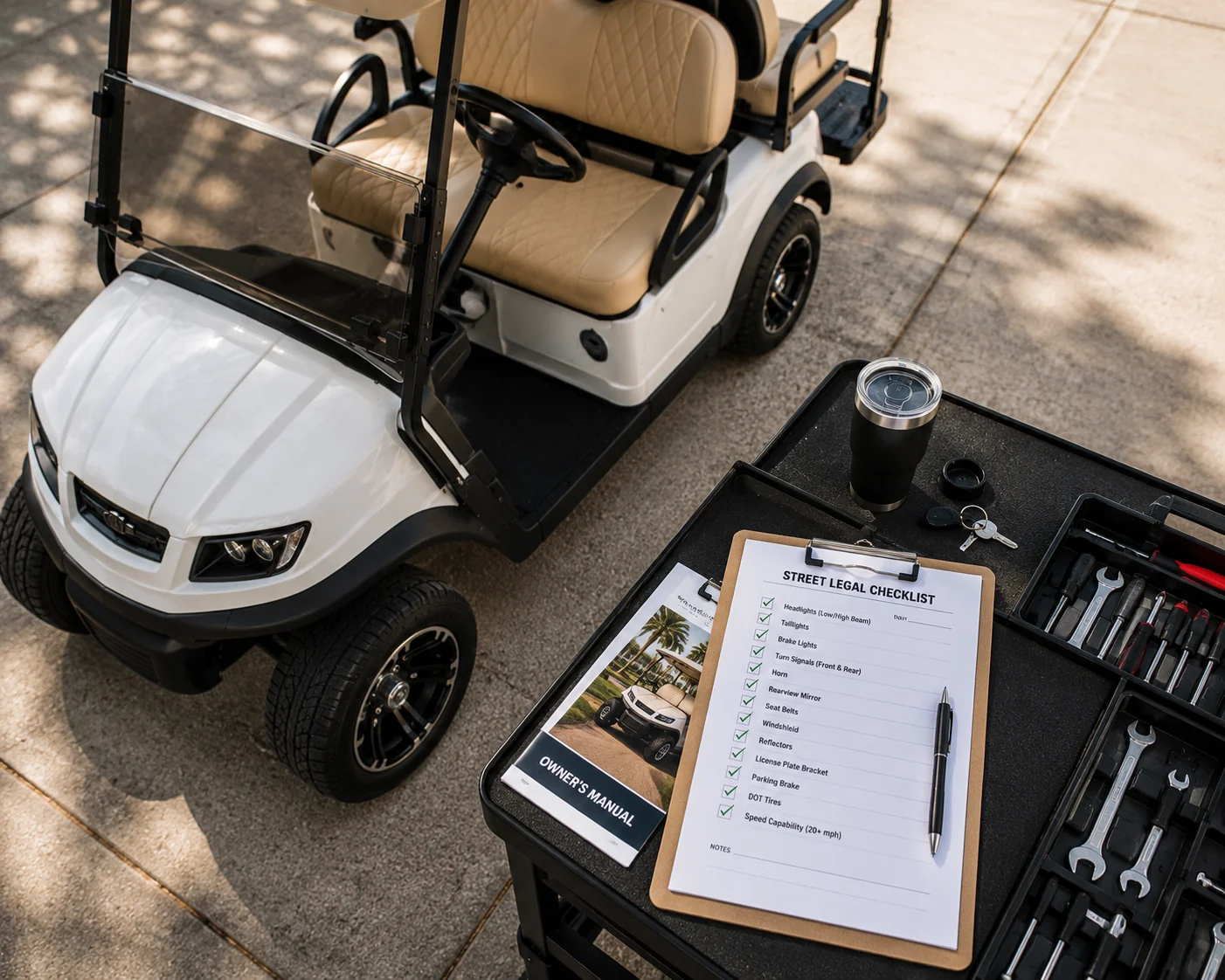
The Villages has an extensive network of golf cart paths, and many residents operate their carts on designated public roads as low-speed vehicles. Florida law requires street-legal carts to have functioning headlights, brake lights, turn signals, a windshield, mirrors, and a seatbelt for each passenger. Certain mechanical modifications, particularly speed or suspension changes, can affect whether a cart still meets those standards or requires re-registration. Before committing to any modification that touches performance, it is worth confirming with a knowledgeable local technician that your cart will remain compliant and safe for road use.
Related Guides
Previous: Street-Legal Golf Cart Requirements in Florida: What Customizations Are Allowed?
Frequently Asked Questions
Will adding a lift kit void my golf cart warranty?
It depends on the manufacturer and how the work is performed. Many warranties exclude damage caused by aftermarket modifications, particularly to suspension and drivetrain components. Having the lift kit installed by a qualified technician using compatible parts gives you the best chance of preserving coverage on unrelated systems.
Do I need to notify anyone if I modify my street-legal cart in Florida?
If a modification changes the cart's speed capability, seating capacity, or safety equipment, it may affect its low-speed vehicle registration status. It is a good idea to check with your local county tax collector's office and your insurance provider before making significant mechanical changes.
Can I add a rear seat to my two-passenger cart safely?
Yes, but it is considered a mechanical modification because it changes the cart's weight distribution and may require brake or suspension adjustments. A professional installation ensures the added seat is properly anchored and that the cart's handling remains predictable.
Is upgrading to lithium batteries worth it for a cart used mostly on cart paths?
Lithium batteries offer longer range, faster charging, and a longer service life than lead-acid batteries, which makes them a popular upgrade for frequent users. The upfront cost is higher, but many owners in active communities find the reduced maintenance and consistent performance justify the investment.
What cosmetic upgrades add the most value if I plan to sell my cart?
Fresh upholstery, a clean wrap or paint job, and new wheel covers tend to have the strongest visual impact for buyers. Keeping the cart mechanically sound matters more than cosmetics for resale, but a well-presented cart typically sells faster and at a better price.
Do I need a professional for cosmetic changes, or can I do them myself?
Simple cosmetic work like adding decals or swapping seat cushions is manageable as a DIY project. Anything involving wiring, even decorative lighting, is better handled by a technician to avoid electrical issues that can damage batteries or create safety hazards.