
Signs Your Golf Cart Battery Needs Replacing, Not Just a Recharge
If your golf cart is sluggish or dies before the end of a round, the battery may simply need a full charge — or it may have reached the end of its useful life. The difference matters because repeated charging of a genuinely failed battery wastes time and can damage your charger. Knowing the specific warning signs helps you act before you end up stranded on the back nine. Learn more about Golf Cart Battery Replacement.
Why a Recharge Is Not Always the Answer
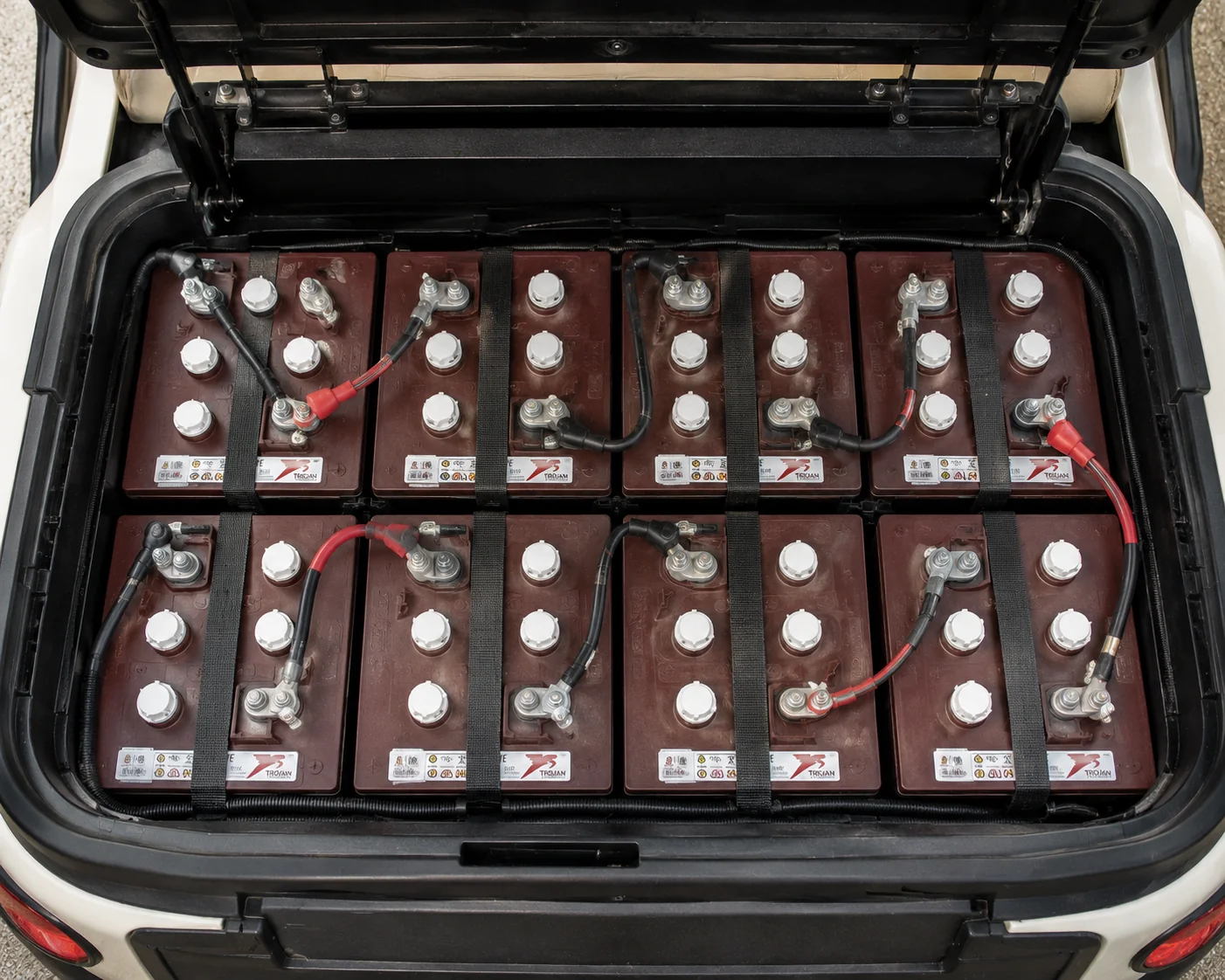
A healthy battery pack accepts a charge, holds it for a reasonable number of miles, and delivers consistent power throughout the ride. When a battery has failed internally — through sulfation, cell damage, or age — it may appear to charge fully yet lose that charge within minutes of use. In The Villages, where carts often cover several miles a day across large communities, a battery that cannot hold a real charge becomes a safety and convenience problem quickly. The key is learning to read the symptoms that point to replacement rather than another trip to the outlet.
Reduced Range and Slow Acceleration Are the First Clues
The most common early sign of battery failure is a noticeable drop in how far your cart travels on a single charge. If you used to cover your neighborhood loop comfortably and now the cart is struggling or warning lights appear halfway through, the battery pack is losing capacity. This happens gradually, so many owners assume the route has gotten longer or the terrain has changed — but the math is simple: the same cart on the same roads should cover roughly the same distance.
Slow or hesitant acceleration is a related symptom. When you press the pedal and the cart lurches or feels underpowered compared to how it used to feel, one or more cells in the battery bank may be failing. A single weak cell drags down the entire pack, so the problem often feels worse than the voltage readings suggest. If a full overnight charge does not restore normal acceleration by the next morning, the battery is telling you something a charger cannot fix.
Six Signs the Battery Needs Replacing, Not Recharging
Watch for these specific symptoms — any one of them warrants a professional voltage and load test.
Voltage Drop Under Load:
A battery that reads 48 volts at rest but drops sharply the moment you press the pedal has weak cells. Healthy batteries maintain voltage under load; failing ones collapse.
Swollen or Bulging Case:
Physical swelling on a battery case signals internal gas buildup from overcharging or cell damage. A swollen battery is a safety hazard and should be replaced immediately.
Sulfation Buildup:
White or bluish crust around battery terminals is a sign of sulfation, which occurs when lead-acid batteries sit discharged for too long. Severe sulfation permanently reduces capacity and cannot be reversed by charging.
Excessive Water Loss:
Flooded lead-acid batteries need occasional watering, but if you are refilling them every week or two, the cells are overworking and degrading faster than normal.
Battery Age Over Five Years:
Most lead-acid golf cart batteries last four to six years with proper care. If yours are older and showing any performance issues, age alone makes replacement the practical choice.
Charger Runs Continuously:
A charger that never clicks off or cycles down is a sign the battery cannot reach a full charge state. The charger keeps trying because the battery keeps failing to respond.
What a Load Test Tells You That a Voltage Reading Cannot
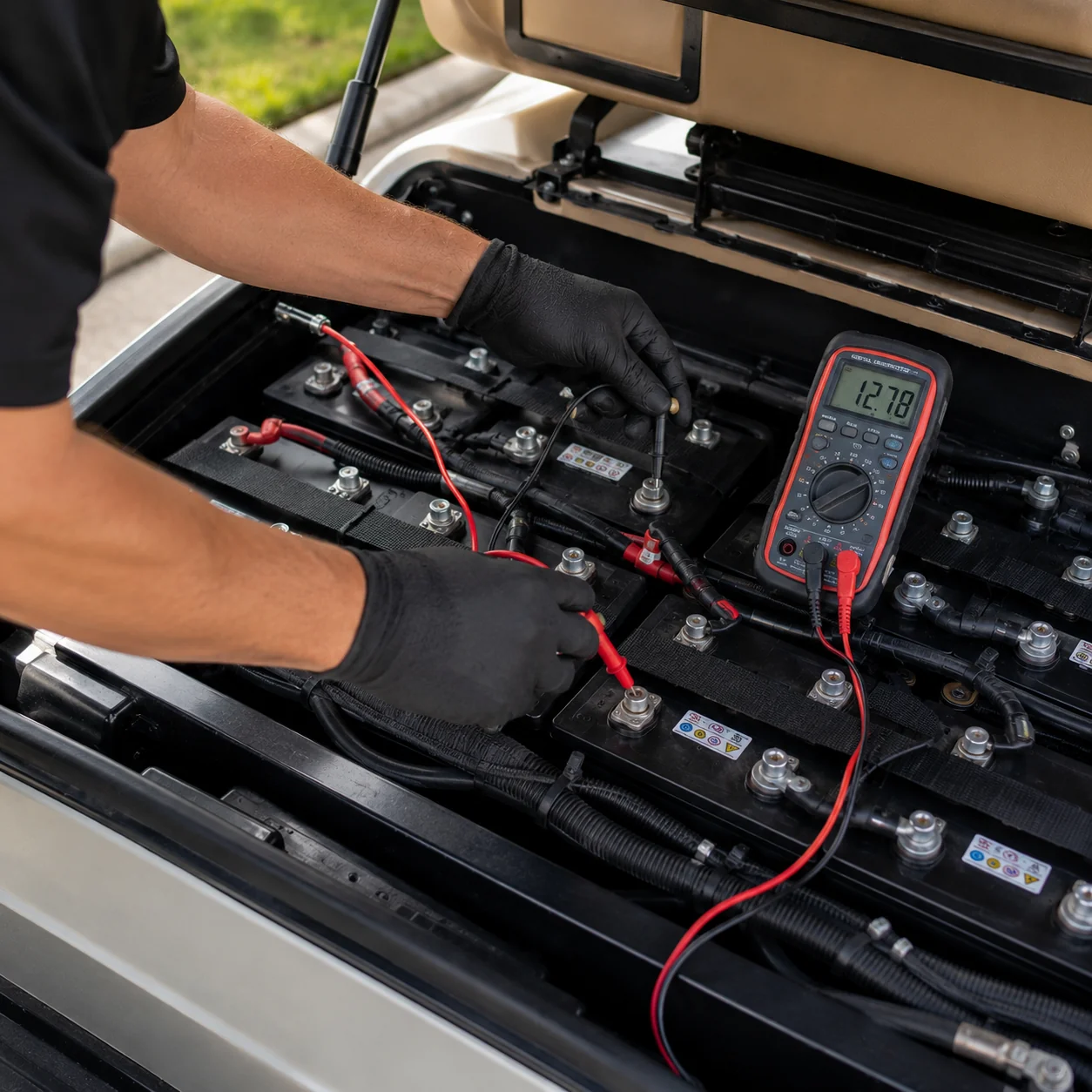
Checking resting voltage with a multimeter gives you only part of the picture. A battery can show an acceptable resting voltage and still fail the moment it is asked to power the cart. A load test applies a controlled draw to the battery and measures how well it holds voltage under that stress — this is the same test a technician uses to confirm whether a battery has genuinely failed or just needs a proper charge cycle. If you suspect your battery is on its way out, having a professional perform a load test before you invest in a new pack is the smartest first step, and it is the same evaluation that informs a proper battery replacement recommendation.
Related Guides
Previous: How Long Do Golf Cart Batteries Last? | Next: Lead-Acid vs. Lithium Golf Cart Batteries: Which Should You Choose?
Frequently Asked Questions
Can I replace just one bad battery in my pack instead of all of them?
Technically yes, but it is rarely advisable. Mixing a new battery with older ones causes the new battery to work harder to compensate for the weaker cells, which shortens its life and often leaves the underlying problem unsolved. Most technicians recommend replacing the full set so all batteries age together.
How do I know if my charger is the problem instead of the battery?
A faulty charger can mimic battery symptoms by failing to deliver a complete charge cycle. If a known-good charger produces the same poor results, the battery is the likely culprit. A technician can test both components separately to pinpoint the cause.
Is it safe to drive my cart if the battery case looks swollen?
No. A swollen battery case indicates internal pressure buildup that can lead to leaks or rupture. Stop using the cart and have the battery inspected and replaced before driving again.
How long does a golf cart battery replacement typically take?
For most standard six-battery packs, a professional replacement takes one to two hours. The time can vary depending on the cart model, battery type, and whether any cables or connectors need attention during the service.
Will a lithium battery last longer than a lead-acid replacement?
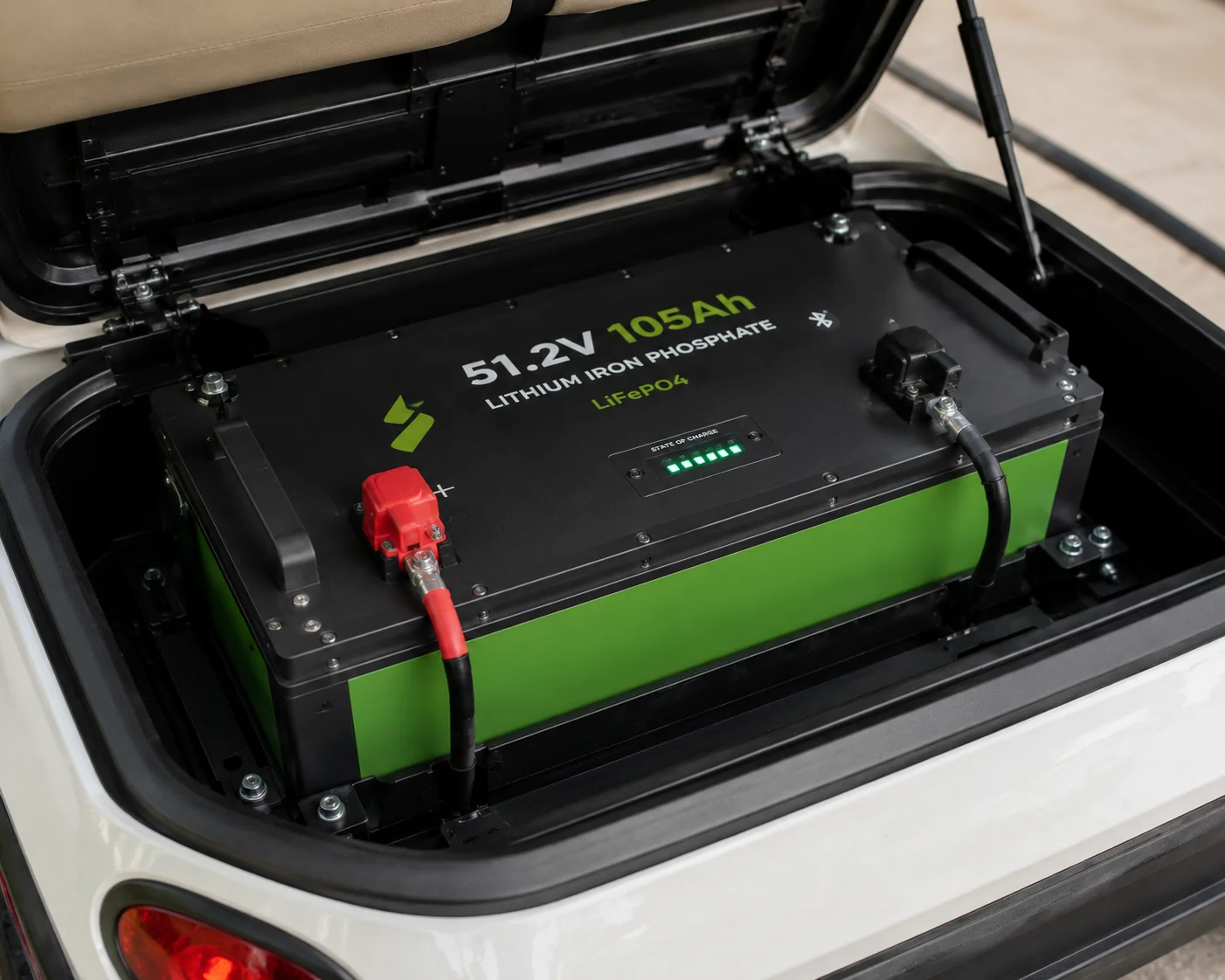
Lithium batteries generally offer a longer lifespan, lighter weight, and more consistent power delivery compared to flooded lead-acid batteries. The upfront cost is higher, but many owners find the reduced maintenance and longer service life make it worthwhile over time.
How often should I have my golf cart batteries tested even if nothing seems wrong?
An annual load test is a good habit, especially before the busy winter season when you will be using the cart most. Catching a weakening battery early prevents unexpected breakdowns and gives you time to plan a replacement on your schedule rather than in an emergency.