Golf Cart Charger Repair vs. Replacement: The Right Call
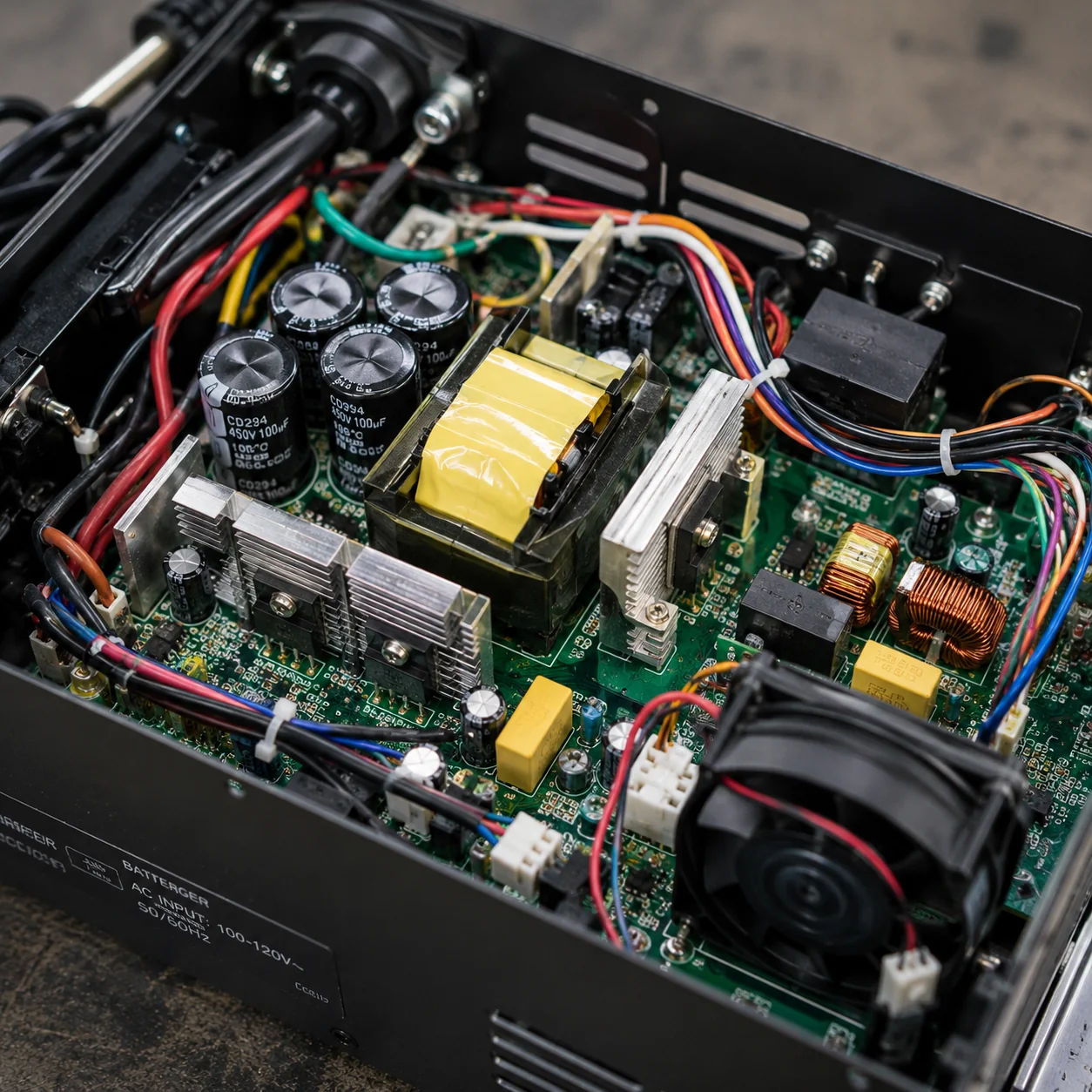
If your golf cart charger has stopped working, the smartest first move is usually a professional diagnosis before spending money on a new unit. Many charger failures — blown fuses, faulty relays, corroded connections — cost far less to fix than a replacement charger. The decision comes down to the charger's age, the repair estimate, and whether the unit is compatible with your specific cart brand. Learn more about Golf Cart Charger Repair.
Why the Repair-or-Replace Question Matters More Than You Think
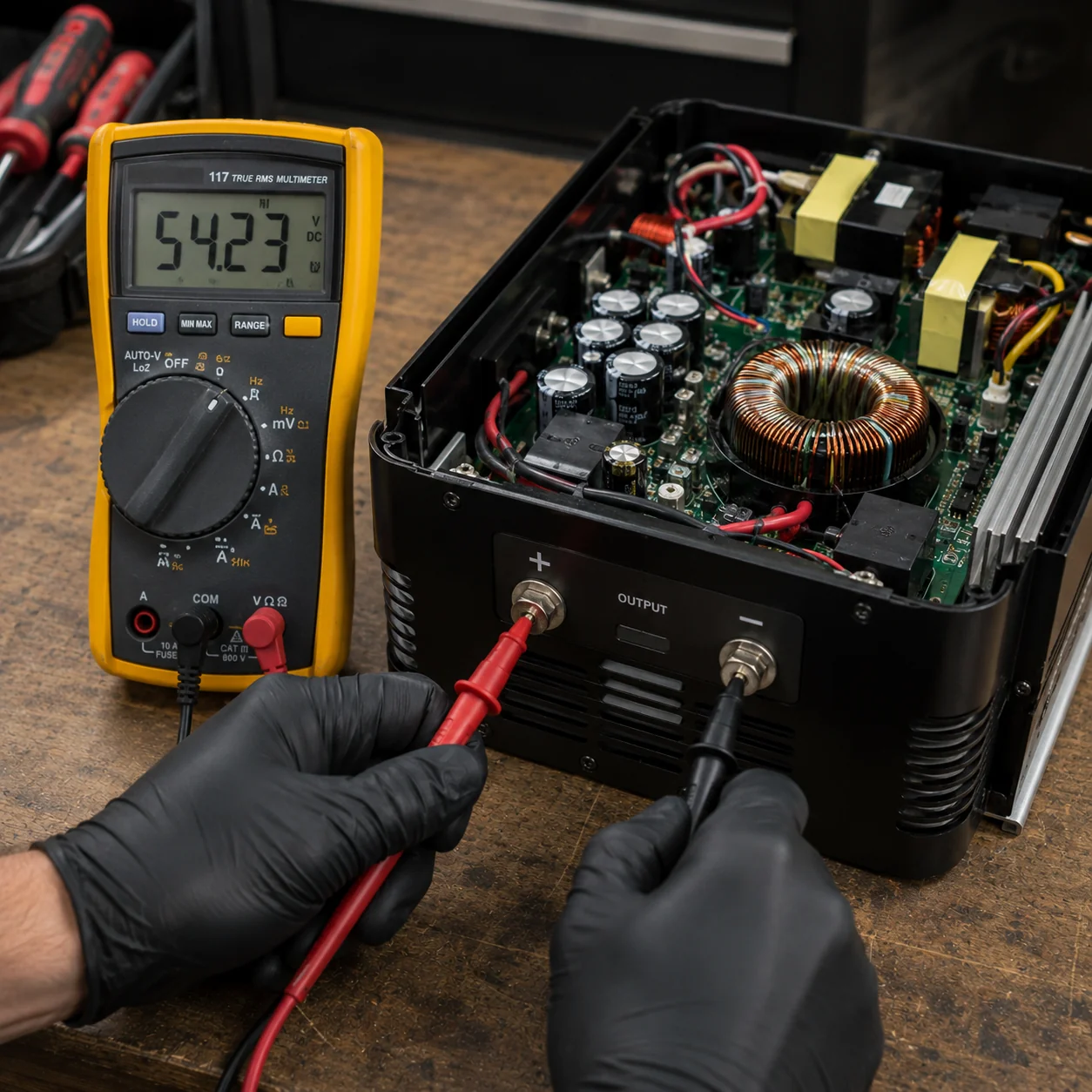
A new golf cart charger for a Club Car, Yamaha, or EZ-GO can run anywhere from a modest sum for a basic unit to several hundred dollars for an OEM-matched or smart charger. Paying that cost when a simple component fix would have done the job is money left on the table. On the other hand, pouring repair dollars into a charger that is already near the end of its useful life — typically eight to twelve years with regular use — can leave you back in the same situation within months. Getting a clear repair estimate upfront gives you the number you need to make a confident comparison.
The Core Factors That Drive the Decision
Age is the single most reliable filter. A charger under five years old that fails once is almost always worth repairing, because the underlying components still have useful life remaining and the failure is likely isolated. A charger over ten years old that is showing multiple symptoms — slow charging, error codes, heat buildup, or a completely dead output — is a stronger candidate for replacement, because additional components are probably close to failure even if the technician only addresses the obvious one today.
The fifty-percent rule is a practical guideline used across most repair industries: if the repair cost exceeds half the price of a comparable new unit, replacement becomes the financially rational choice. Apply that rule alongside age. A seven-year-old charger with a repair estimate at forty percent of replacement cost sits in a gray zone where brand compatibility and warranty coverage should tip the decision.
- Charger age under 5 years: repair is almost always the right call
- Repair estimate above 50% of new-unit cost: lean toward replacement
- Multiple simultaneous symptoms: suggests broader component wear
- OEM vs. aftermarket: brand-matched chargers often justify higher repair investment
- Remaining battery life: a failing battery pack can stress even a repaired charger
Six Signs That Help You Decide
Use these indicators alongside a professional estimate to frame your repair-or-replace conversation.
Charger Won't Power On:
Often a blown fuse, failed diode, or bad power cord — typically a low-cost repair on a charger under eight years old.
Charges Slowly or Stops Early:
Can signal a failing transformer or control board. Repair cost varies widely; get an estimate before assuming replacement is needed.
Overheating During Charge:
Heat buildup points to internal component stress or a cooling failure. On an older unit this often precedes broader failure and may favor replacement.
Error Codes or Blinking Lights:
Brand-specific fault codes on Club Car, Yamaha, and EZ-GO chargers can pinpoint the exact failed component, making repair straightforward when the unit is otherwise sound.
Physical Damage or Corrosion:
Cracked housings, corroded terminals, or water intrusion can sometimes be addressed, but extensive corrosion on an aging unit usually means replacement is safer.
Charger Is Out of Warranty:
Most new chargers carry a one- to two-year warranty. A unit still under warranty should always be repaired or replaced under that coverage before paying out of pocket.
Brand Compatibility and Why It Changes the Math
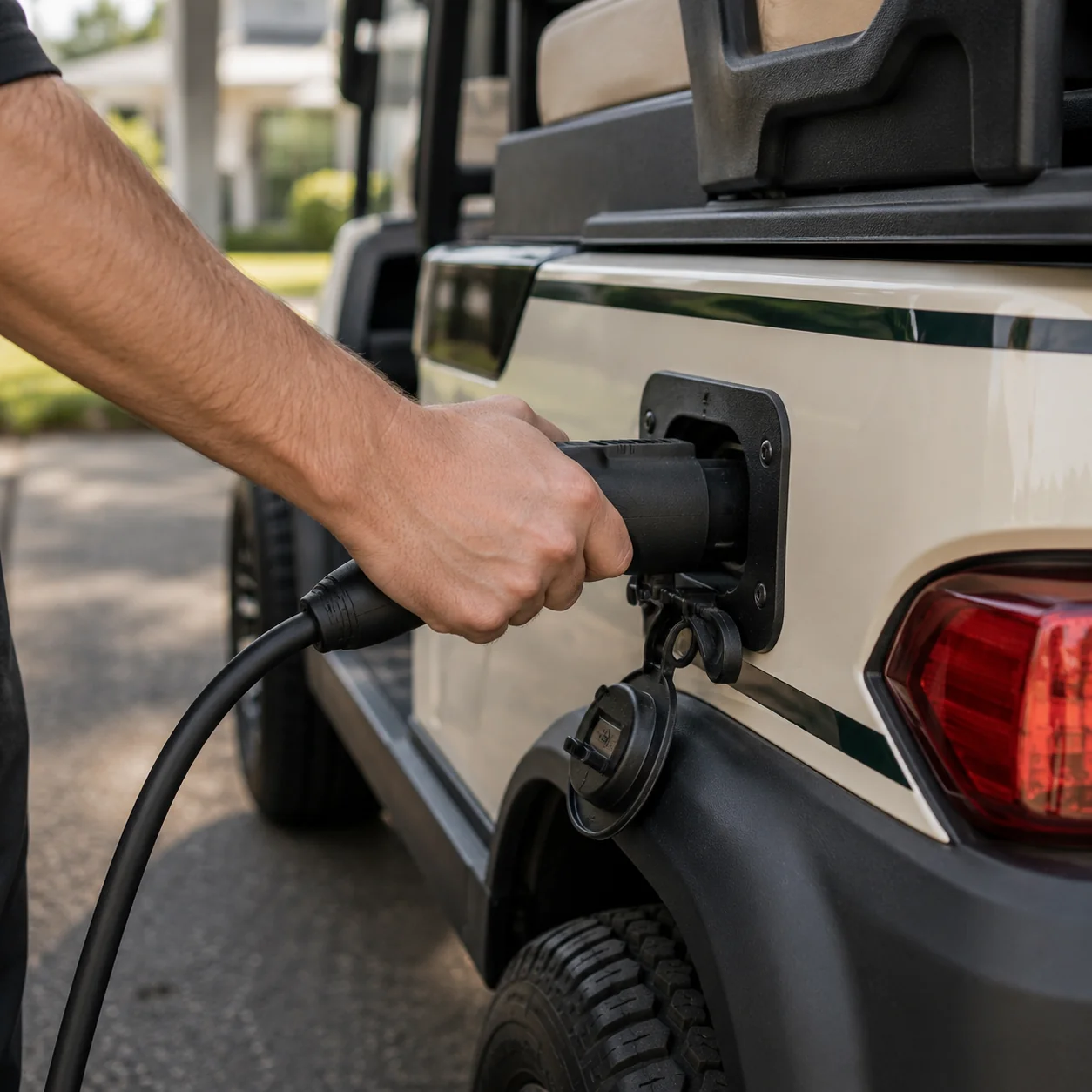
Club Car, Yamaha, and EZ-GO carts each use charger profiles tuned to their battery systems — voltage, amperage curve, and plug type all vary. Using a mismatched charger, even a functioning one, can shorten battery life and void battery warranties. This means that when replacement is the right call, a direct OEM-compatible unit is usually worth the premium over a generic alternative. It also means a repair that restores your original brand-matched charger to full function has real value beyond the repair cost itself, because you avoid the compatibility risk that comes with sourcing a substitute.
Related Guides
Previous: How Much Does Golf Cart Charger Repair Cost? A Realistic Breakdown | Next: Golf Cart Charger Maintenance Tips to Avoid Costly Repairs
Frequently Asked Questions
How much does it typically cost to repair a golf cart charger?
Repair costs vary depending on which component has failed. Simple fixes like a fuse, power cord, or corroded connector are generally inexpensive, while a failed control board or transformer costs more. Getting a firm estimate from a technician before authorizing work lets you apply the fifty-percent rule against the price of a new unit.
Can I use any charger with my Club Car, Yamaha, or EZ-GO cart?
Not safely. Each brand uses a specific plug type and charging profile matched to its battery system. Using an incompatible charger can undercharge or overcharge the batteries, reducing their lifespan and potentially voiding the battery warranty. Always confirm compatibility before installing a replacement unit.
My charger is only two years old and stopped working. Should I still consider replacing it?
A two-year-old charger that fails once is almost always worth repairing rather than replacing. Early failures are typically isolated component issues rather than signs of broad wear. Check whether the unit is still under its manufacturer warranty before paying for any repair at all.
Will a bad charger damage my golf cart batteries?
Yes. A charger that cuts off too early leaves batteries undercharged, which accelerates sulfation and shortens battery life. A charger that overcharges generates excess heat and can cause permanent cell damage. Addressing a charger problem promptly protects what is usually the most expensive component on the cart.
Is it worth repairing an older charger if my batteries also need replacement soon?
It depends on the repair cost. If both the charger and batteries are near end of life, it may make sense to replace both together so the new charger is properly matched to fresh batteries from the start. A technician can assess both systems and give you a combined recommendation.
How do I know if the problem is the charger or the batteries themselves?
A technician can test each component separately. A charger that produces correct output voltage when disconnected from the cart is likely fine, pointing the problem toward the batteries or the cart's onboard receiver. Diagnosing before replacing anything prevents paying twice for the wrong fix.