Golf Cart Charger Repair Cost: A Realistic Breakdown
Most golf cart charger repairs in The Villages run between $40 and $250 depending on what failed, with simple cord or fuse fixes on the low end and full circuit board replacements on the high end. Replacement chargers typically cost $150 to $400 or more, so repair is often the smarter financial choice when the fault is isolated. Knowing which part failed before you call a technician helps you set a realistic budget and avoid surprises. Learn more about Golf Cart Charger Repair.
Why Charger Repair Costs Vary So Much
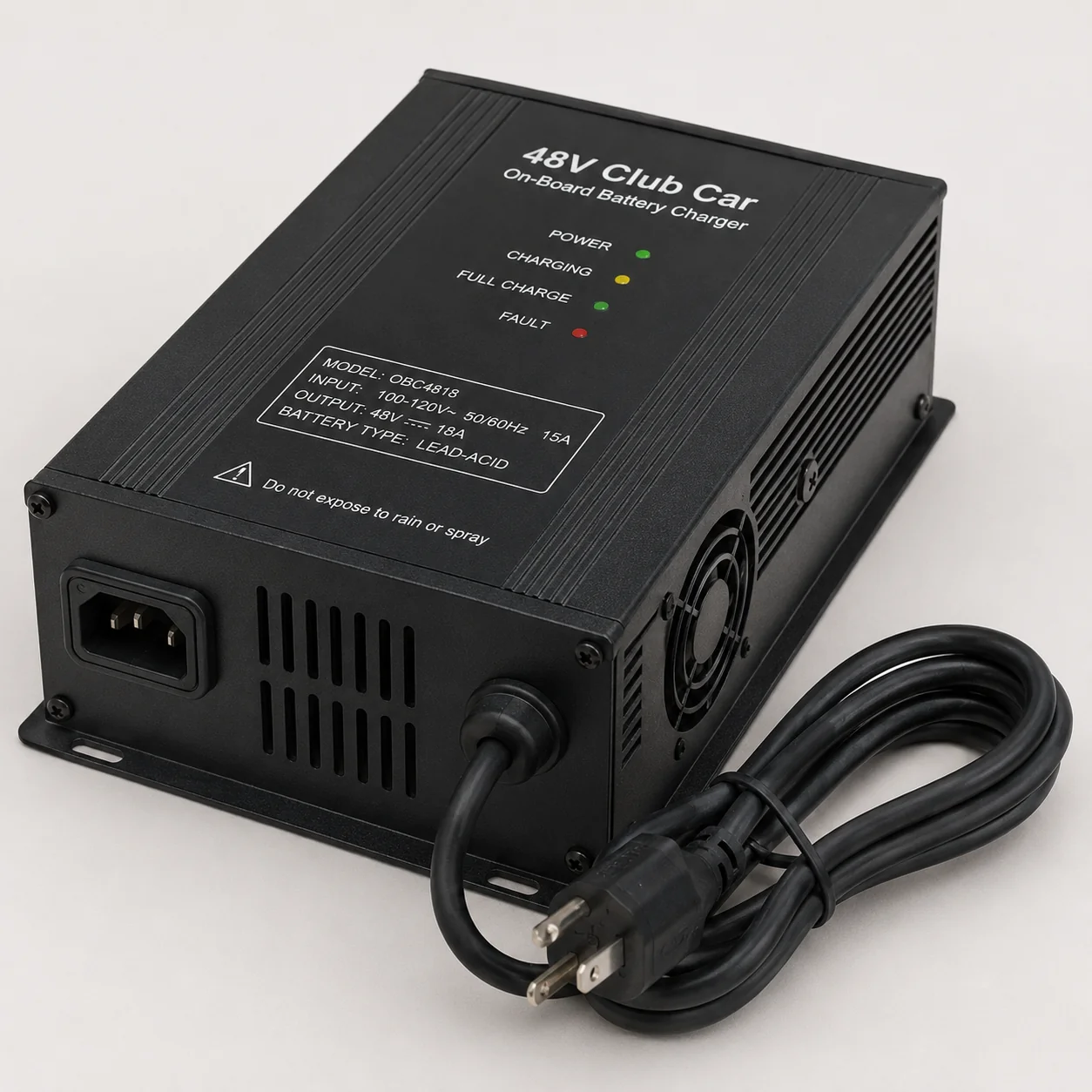
A golf cart charger is a multi-component device: it has a power cord, an internal circuit board, a receptacle plug, fuses, and in newer models, onboard computer logic that communicates with the battery pack. Labor to diagnose the unit is usually a flat fee of $25 to $50, and that cost is often credited toward the repair if you proceed. The total bill climbs quickly when a failed board requires sourcing a brand-specific replacement part, but stays low when the problem turns out to be a damaged cord or a blown fuse that a technician can swap in minutes.
Typical Cost Ranges by Fault Type
These ranges reflect parts plus labor for the most common charger failures technicians see in Club Car, EZ-GO, and Yamaha units.
Blown Fuse:
The least expensive fix, usually $20 to $45 all in. A technician confirms the fuse is the only fault before replacing it, since a blown fuse can signal a deeper problem.
Damaged Power Cord:
Frayed or chewed cords are common in garage environments. Cord replacement typically runs $35 to $80 depending on cord length and connector type.
Faulty Receptacle or Plug:
The charging plug that connects to the cart wears out over time. Replacing the receptacle or plug end costs roughly $40 to $90 including labor.
Circuit Board Failure:
The most expensive repair, ranging from $100 to $250. Board availability varies by brand and model year, which can affect both cost and turnaround time.
Relay or Diode Failure:
Internal component failures beyond the main board typically fall in the $60 to $130 range and are more common in older analog chargers.
Full Diagnostic Only:
If a technician determines the charger is beyond economical repair, you pay the diagnostic fee of $25 to $50 and receive a clear recommendation on replacement options.
Repair vs. Replacement: How to Decide
The general rule technicians use is this: if the repair cost exceeds 60 to 70 percent of a comparable new charger, replacement makes more financial sense. A new OEM charger for a Club Car, EZ-GO, or Yamaha cart runs $150 to $400 depending on voltage and amperage, so a $40 cord fix is an easy yes while a $220 board repair on a charger that already has years of wear deserves more thought. Age matters too — a charger that is more than eight to ten years old may have other components nearing failure even after one repair is completed.
One factor owners in The Villages often overlook is compatibility. Newer 48-volt lithium-compatible chargers are not interchangeable with older 36-volt or lead-acid-only units. Before authorizing any repair, confirm the technician has verified the charger matches your current battery configuration, especially if your cart has had a battery upgrade since it was originally purchased.
- Ask for a written estimate before work begins so parts and labor are itemized separately
- Confirm the technician has experience with your specific brand and voltage system
- Request a short test charge after repair to verify the fix before the technician leaves
- Keep your receipt — a reputable shop will warranty parts and labor for at least 30 days
What to Expect During a Charger Repair Visit
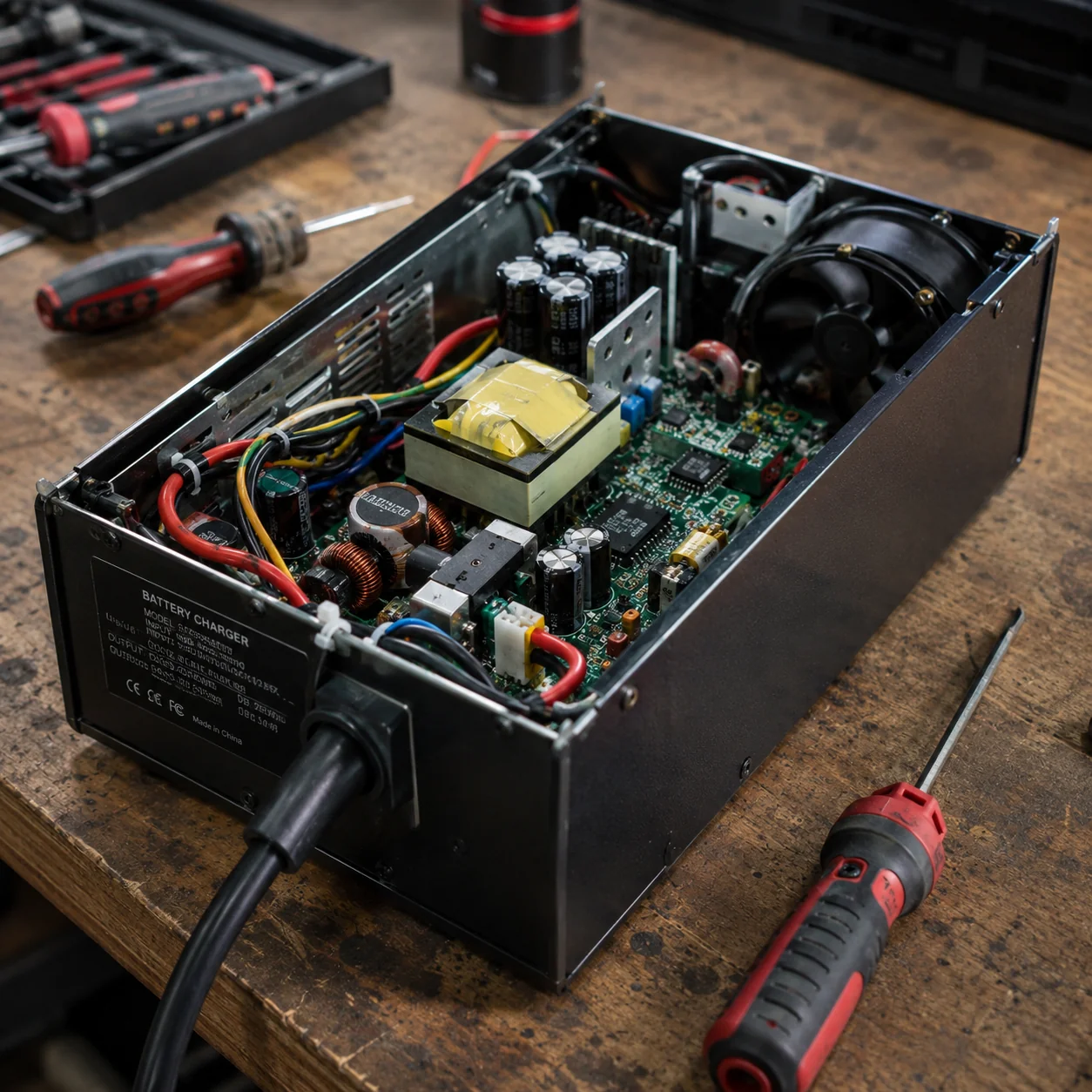
A qualified technician will start by testing the outlet, the cord, and the output voltage before opening the charger housing, since many reported charger failures turn out to be a tripped breaker or a corroded battery terminal rather than a charger fault at all. If the charger itself is the problem, most straightforward repairs are completed the same day. Board replacements may require a parts order, adding one to three days in most cases. Mobile repair services that come to your home or community can handle the majority of charger repairs on-site, which saves you the hassle of transporting the cart or the charger to a shop.
Related Guides
Previous: Golf Cart Charger Not Working? Common Warning Signs You Shouldn't Ignore | Next: Golf Cart Charger Repair vs. Replacement: How to Make the Right Call
Frequently Asked Questions
How do I know if my charger is broken or if the problem is my batteries?
A technician will test both during a diagnostic visit, but a quick home check is to plug the charger into a known-good outlet and listen for the fan or relay click that signals it is powering on. If the charger shows no signs of life at all, the charger is the likely culprit. If it powers on but the batteries never reach a full charge, degraded batteries are often the cause.
Is it worth repairing an older charger, or should I just replace it?
If the repair cost is under half the price of a new equivalent charger and the unit is fewer than eight years old, repair usually makes sense. For chargers that are older or have already had one repair, replacement often provides better long-term value and may include updated features like automatic shutoff and battery-type compatibility.
Can a bad charger damage my golf cart batteries?
Yes. A charger that overcharges, undercharges, or delivers inconsistent voltage can shorten battery life significantly. If you suspect your charger has been malfunctioning for several charge cycles, have a technician test your battery pack at the same time they service the charger.
Do repair costs differ between Club Car, EZ-GO, and Yamaha chargers?
Labor rates are generally the same across brands, but parts costs can differ. OEM boards and plugs for some Club Car models are priced higher than comparable EZ-GO components. Aftermarket parts are available for most brands and can reduce costs, though a reputable technician will discuss the trade-offs with you before using them.
How long does a golf cart charger repair typically take?
Simple repairs like cord replacement or fuse swaps are usually done within an hour during a mobile visit. Circuit board replacements depend on parts availability and may take one to three additional days if the part needs to be ordered. A technician should give you a time estimate once the fault is diagnosed.
Is there a diagnostic fee even if I decide not to repair the charger?
Most shops and mobile technicians charge a flat diagnostic fee of $25 to $50 regardless of outcome. Many will apply that fee toward the repair cost if you proceed. It is worth confirming this policy when you schedule the appointment so there are no surprises.