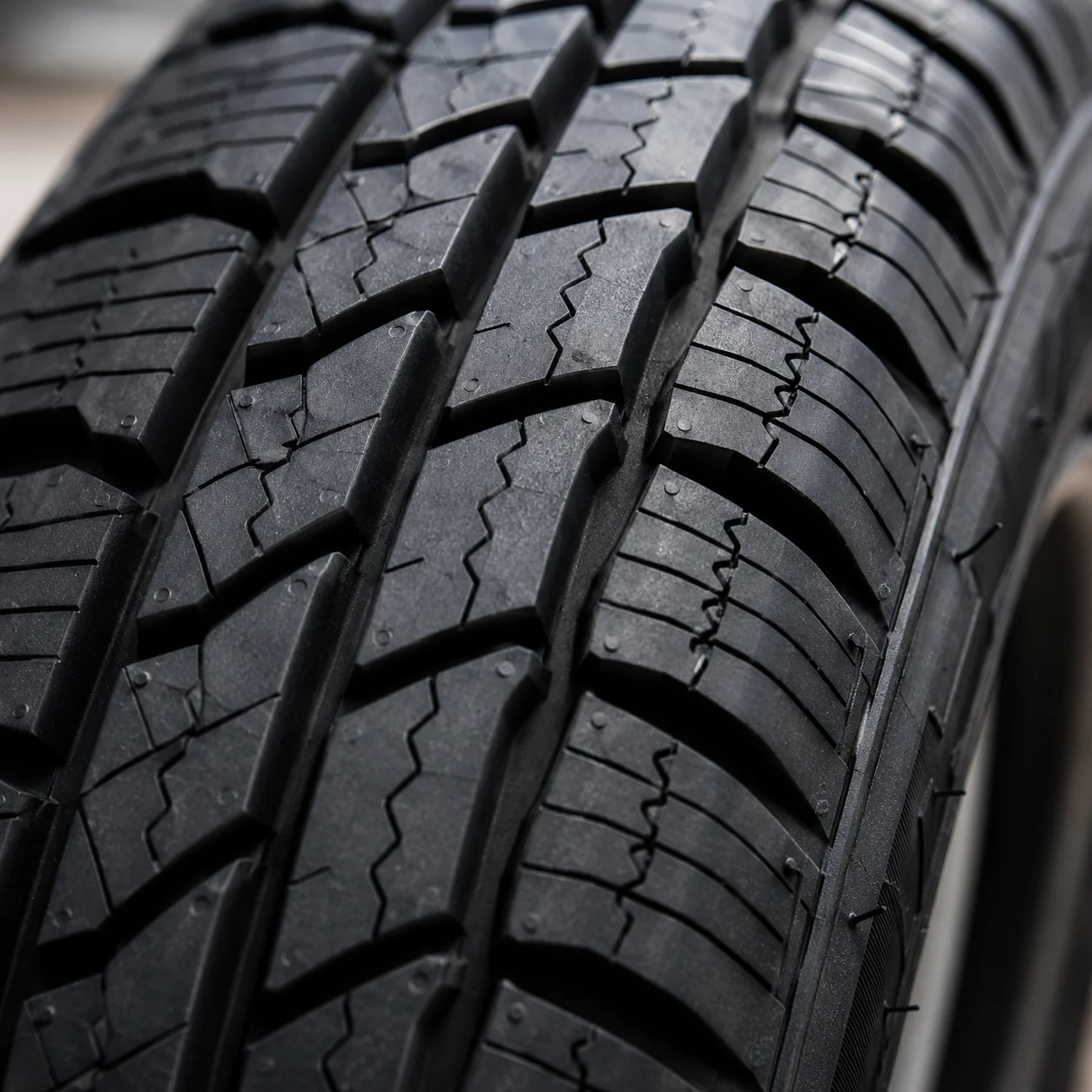
Warning Signs Your Golf Cart Tires Need Repair
If your golf cart tires show cracking, uneven wear, or a persistent slow leak, they need professional attention before a breakdown leaves you stranded. Catching these warning signs early is almost always cheaper than dealing with a flat on the road or a blowout that damages a wheel rim. This guide walks you through exactly what to look for so you can act before a small problem becomes a costly one. Learn more about Golf Cart Tire Repair.
Start With a Visual Inspection of the Tire Sidewalls
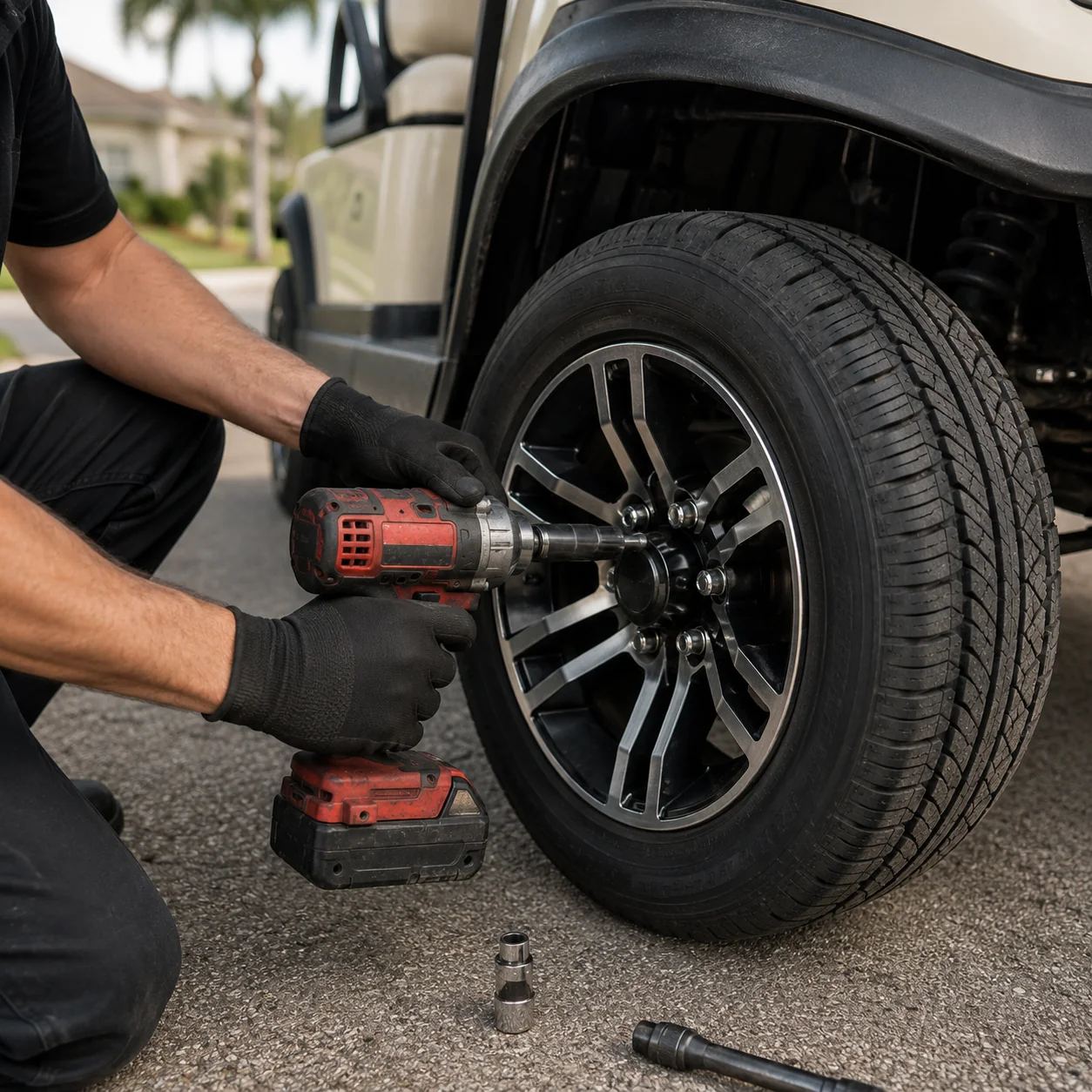
The sidewall is the first place tire trouble shows up, and a quick look before each ride can save you a lot of hassle. Run your eyes along the full circumference of each tire and look for fine cracks, crazing, or any spot where the rubber appears to be separating from itself. In a warm, sunny climate like The Villages, UV exposure and heat cycles accelerate rubber degradation, so sidewall cracking can develop even on tires that still hold air. If you see cracks deeper than a hairline or any bulging along the sidewall, the tire has lost structural integrity and should be replaced rather than patched.
Six Warning Signs That Deserve a Closer Look
Any one of these indicators is a reason to have a technician inspect your tires before your next outing.
Sidewall Cracking:
Fine cracks that run across or along the sidewall mean the rubber is drying out and becoming brittle. A cracked sidewall can fail suddenly under load, especially at higher speeds on cart paths.
Uneven Tread Wear:
Wear that is heavier on one edge than the other usually points to an alignment or inflation problem. Left uncorrected, it shortens tire life significantly and can affect steering response.
Slow Leak:
If you find yourself adding air to the same tire every few days, something is allowing air to escape — a puncture, a faulty valve stem, or a bead that is no longer sealing properly. Slow leaks rarely fix themselves.
Vibration While Driving:
A vibration that was not there before often means a tire has developed a flat spot, an internal separation, or is out of balance. It can also indicate a bent rim, so a full inspection is worthwhile.
Visible Puncture or Object:
A screw, nail, or piece of debris lodged in the tread may be holding air in for now, but it will eventually work its way through. Do not remove the object yourself — have a technician assess whether a plug or full replacement is the right call.
Tread Depth Below Safe Minimum:
Golf cart tires do not have wear indicator bars like car tires, so check tread depth with a coin or a simple gauge. When the tread is worn nearly smooth, wet pavement and loose surfaces become genuinely hazardous.
How Inflation and Age Accelerate Tire Problems
Tire pressure is the single most controllable factor in how long your tires last. Running underinflated tires causes the sidewalls to flex excessively on every rotation, generating heat and breaking down the rubber from the inside out. Overinflation creates the opposite problem — the center of the tread takes all the load, wearing it down faster and making the ride harsh. Check pressure monthly with a reliable gauge and follow the manufacturer's recommendation, which is typically printed on the tire sidewall.
Age matters even when a tire looks fine on the surface. Most tire manufacturers consider six years the practical service limit for golf cart tires, regardless of tread depth, because the rubber compounds degrade over time. If you do not know how old your tires are, look for the DOT code molded into the sidewall — the last four digits tell you the week and year of manufacture. Tires that are past their service life are worth replacing proactively, especially if you use your cart daily for transportation around the community.
When a Repair Is Enough and When You Need a Replacement
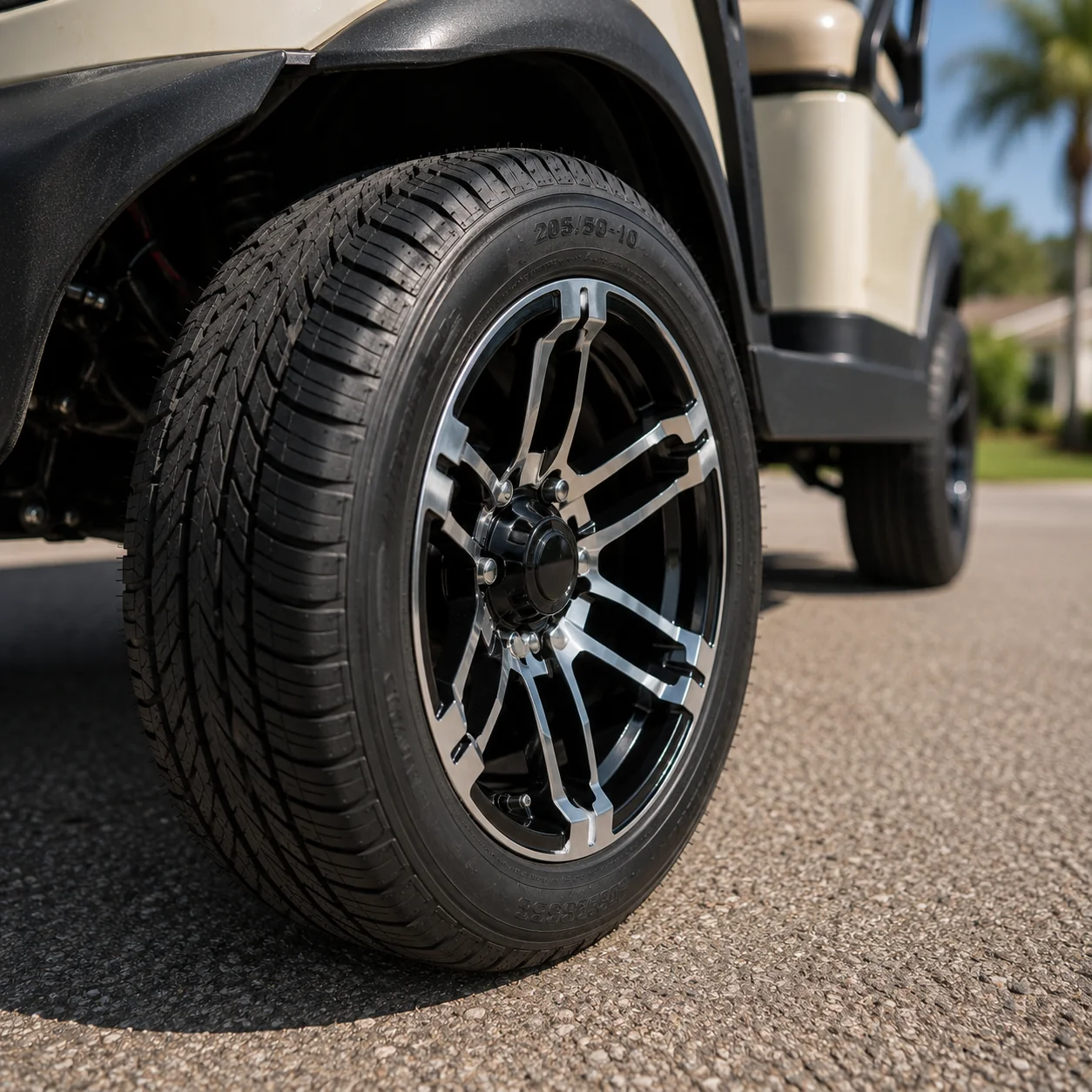
Not every tire problem requires a full replacement, and a qualified technician can help you make that call accurately. A clean puncture in the center of the tread that is smaller than a quarter inch in diameter is typically a good candidate for a plug-and-patch repair, which is faster and less expensive than a new tire. However, any damage to the sidewall, a puncture near the shoulder of the tire, or a tire that has been driven flat — even for a short distance — usually means replacement is the safer option. Getting a professional opinion before deciding keeps you from spending money on a repair that will not hold, and it keeps you from replacing a tire that still has useful life left in it.
Related Guides
Previous: Golf Cart Tire Types Explained: Tubed vs. Tubeless and Which Is Right for You | Next: Golf Cart Tire Repair vs. Replacement: How to Know Which You Need
Frequently Asked Questions
Can I drive my golf cart on a slow leak if I keep adding air?
It is not a good idea, even for short trips. A tire losing air is under uneven stress, and the underlying cause — a puncture, a bad valve stem, or a failing bead seal — will eventually lead to a sudden flat. Have it inspected and repaired promptly to avoid being stranded or damaging the rim.
How often should I check my golf cart tire pressure?
Once a month is a reasonable habit for most owners, and always check before a long ride or after the cart has sat unused for several weeks. Temperature swings can cause pressure to drop noticeably, so a quick check takes very little time and prevents a lot of unnecessary wear.
Is it safe to repair a golf cart tire with a plug from a hardware store?
A plug alone is considered a temporary fix, not a permanent repair. The industry standard is a plug combined with an internal patch applied from inside the tire. A professional repair done correctly will hold reliably, while a plug-only fix can work loose over time.
Do I need to replace all four tires at the same time?
Not necessarily, but tires on the same axle should match in size and ideally in age and wear level. Mixing significantly different tires on the same axle can affect handling. A technician can assess whether replacing just one or two makes sense given the condition of the remaining tires.
What causes golf cart tires to crack even when they still hold air?
Cracking is primarily caused by UV exposure, ozone, and the natural aging of rubber compounds — all of which are accelerated in a sunny, warm climate. Tires that sit parked in direct sunlight for long periods are especially vulnerable. A cracked tire that still holds air is not necessarily safe, because the cracks weaken the structure and can lead to a sudden failure.
How do I know if my golf cart needs tire repair or wheel alignment?
Uneven tread wear and a cart that pulls to one side are signs that alignment may be contributing to your tire problems. A technician will typically inspect both at the same time, since repairing or replacing a tire without correcting an alignment issue means the new tire will wear unevenly too.