What Is the Best Golf Cart Battery to Buy?
For most golf cart owners in Florida retirement communities, a flooded lead-acid battery from a reputable brand like Trojan or US Battery offers the best balance of upfront cost and proven performance, while lithium batteries are worth the higher price if you want longer cycle life and zero maintenance. The right choice depends on your cart model, how often you drive, and whether you want to set it and forget it or are comfortable with occasional watering and terminal cleaning. This guide walks through the main battery types, top brands, and the compatibility questions that matter most for Club Car, Yamaha, and EZ-GO owners. Learn more about Golf Cart Battery Replacement.
Flooded Lead-Acid vs. AGM vs. Lithium: Know the Difference First
Flooded lead-acid batteries are the traditional choice and still dominate the market because they are widely available, inexpensive to replace, and compatible with virtually every charger already in a garage. AGM batteries seal the electrolyte in a glass mat, eliminating watering and reducing off-gassing, which makes them a practical middle-ground option for owners who want less maintenance without paying lithium prices. Lithium iron phosphate batteries weigh significantly less, charge faster, and can deliver two to four times the cycle life of lead-acid, but they require a lithium-compatible charger and carry a higher upfront cost that takes time to recoup. Understanding which category fits your driving habits is the single most important step before comparing individual brands.
Top Battery Brands and What Sets Them Apart
Trojan Battery is the most widely recommended brand among golf cart technicians and has been for decades. Their T-105 and T-875 flooded lead-acid models are workhorses that hold up well in heat, which matters in a Florida climate where batteries cycle year-round. US Battery is a close competitor with a similar price point and a strong reputation for consistent capacity across the life of the battery, not just when new. Both brands are available in the 6-volt, 8-volt, and 12-volt configurations that Club Car, Yamaha, and EZ-GO carts commonly require.
On the AGM side, Lifeline and Odyssey produce quality options, though they are less common in the golf cart market than in marine applications. For lithium, RELiON and Dakota Lithium have built solid reputations, and several Club Car and EZ-GO dealers now offer factory-compatible lithium upgrade kits that include the correct battery management system. Yamaha has been slower to publish official lithium guidance, so owners of those carts should confirm charger compatibility before purchasing.
- Trojan T-105: 6V flooded lead-acid, industry benchmark for 48V and 36V systems
- US Battery US2200: 6V flooded, competitive capacity and consistent discharge curve
- Lifeline GPL-4CT: 6V AGM, maintenance-free and low self-discharge
- RELiON LT48V: drop-in lithium for 48V systems, includes battery management system
- Dakota Lithium 60Ah: popular lithium option with a strong warranty and heat tolerance
Key Factors to Compare Before You Buy
Weigh these six criteria against your specific cart and driving habits to narrow down the right battery.
Voltage and Configuration:
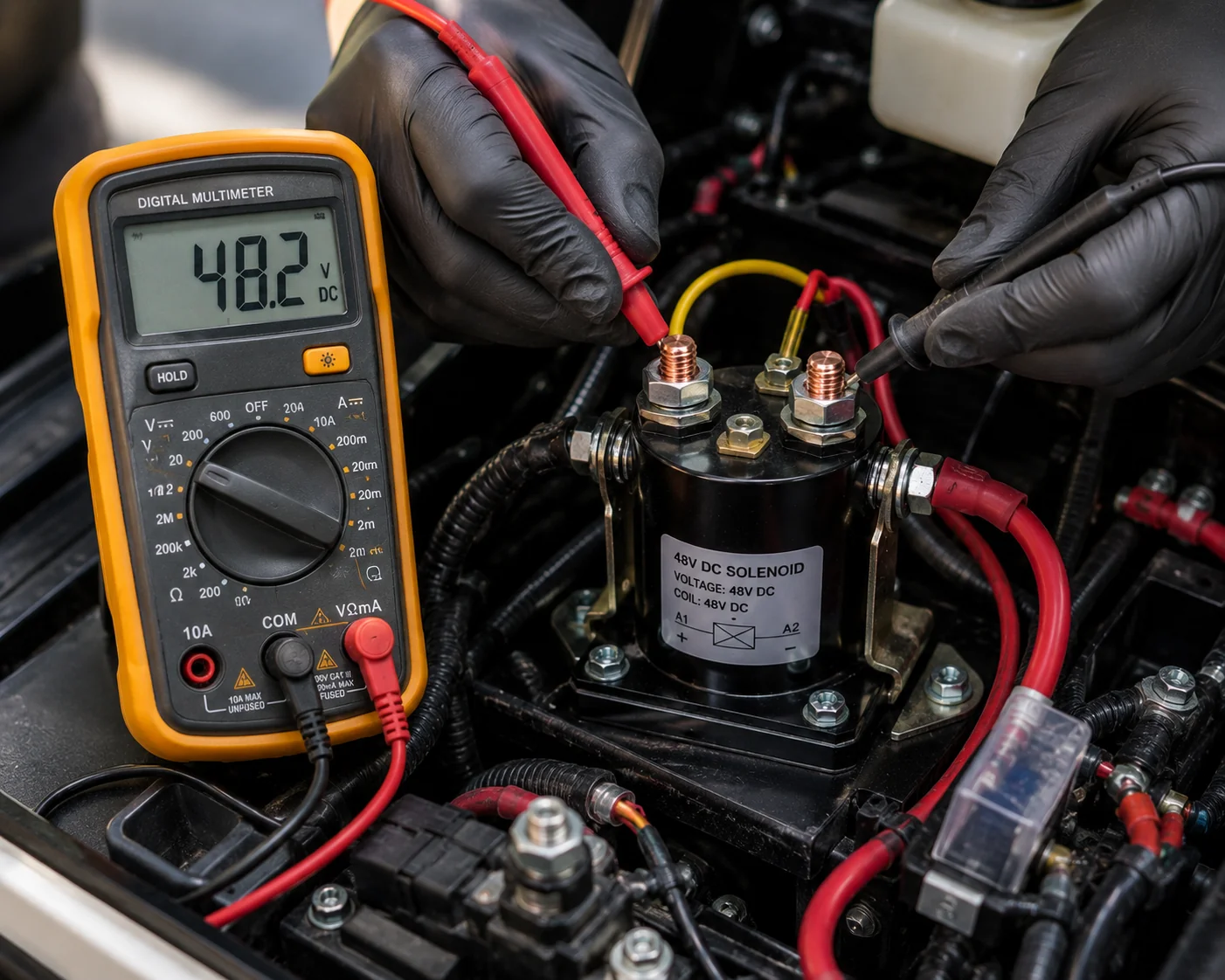
Most carts run on 36V or 48V systems built from multiple 6V, 8V, or 12V batteries. Confirm your cart's system voltage and the number of battery slots before ordering anything.
Amp-Hour Capacity:
Higher amp-hour ratings mean more range per charge. If you drive long distances daily or live in a large community, prioritize capacity over price per battery.
Cycle Life:
Flooded lead-acid typically delivers 500 to 750 full cycles, AGM around 600 to 900, and lithium 2,000 or more. Longer cycle life lowers the true cost per year of ownership.
Maintenance Requirements:
Flooded batteries need distilled water added every few weeks in hot climates. AGM and lithium are sealed and require no watering, which is a meaningful convenience advantage.
Charger Compatibility:
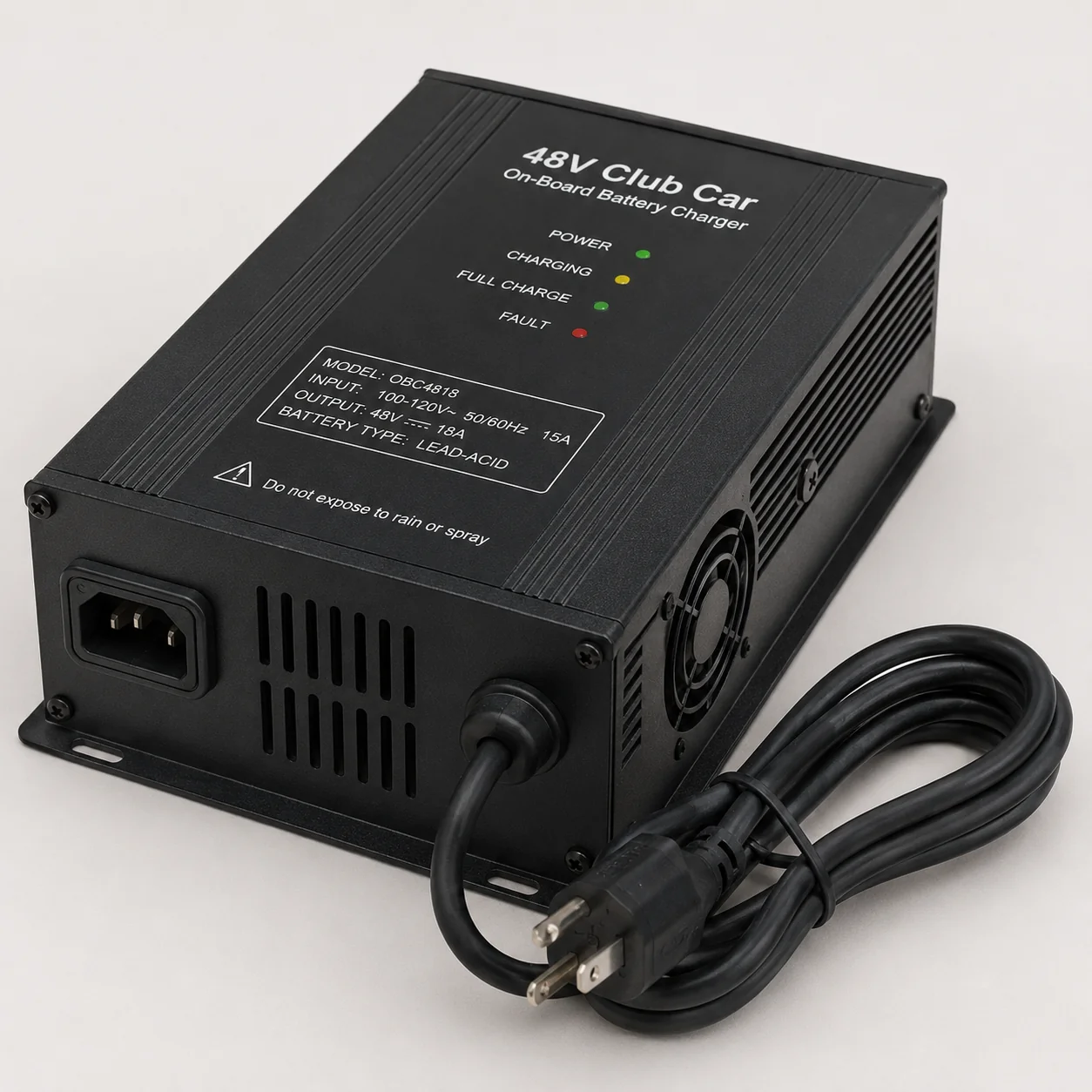
Lithium batteries require a lithium-specific charger profile. Using a standard lead-acid charger with a lithium pack can damage cells and void the warranty.
Upfront Cost vs. Total Cost:
A set of Trojan flooded batteries might cost a fraction of a lithium upgrade, but if you replace them twice before a lithium pack needs replacing, the long-term math can favor lithium.
Brand Compatibility: Club Car, Yamaha, and EZ-GO
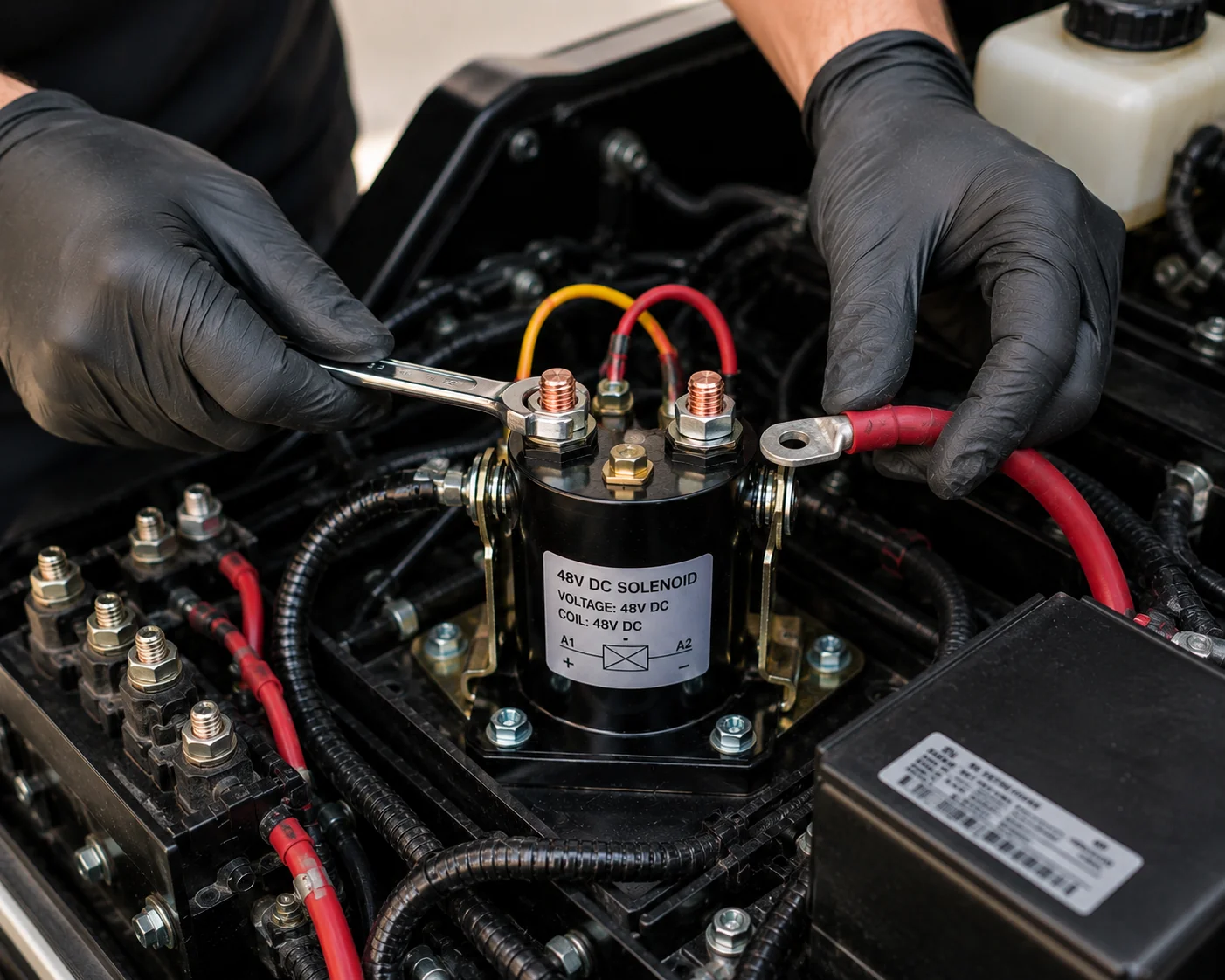
Club Car carts, particularly the DS and Precedent models, are among the most forgiving when it comes to battery upgrades because their onboard computer systems are well-documented and lithium kits are widely available. EZ-GO RXV and TXT models are similarly well-supported, though the RXV's DCS drive system can behave differently with certain lithium packs, so matching the battery management system to the charger is critical. Yamaha carts tend to use a proprietary charging algorithm, and owners should verify that any replacement battery, especially AGM or lithium, is compatible with their existing Yamaha charger before installation. When in doubt, a qualified technician can test your current charger output and confirm which battery types it will support safely.
Related Guides
Previous: Golf Cart Battery Maintenance Guide: Make Your Batteries Last Longer
Frequently Asked Questions
How many batteries does a golf cart need?
Most 36-volt carts use six 6-volt batteries, while 48-volt carts typically use either six 8-volt or four 12-volt batteries. The exact number depends on your cart's voltage system and the voltage of the individual batteries you choose. Always replace the entire set at once rather than mixing old and new batteries, which shortens the life of the new ones.
How long do golf cart batteries last?
Flooded lead-acid batteries in a well-maintained cart typically last four to six years in a warm climate with regular use. AGM batteries fall in a similar range, while lithium batteries can last eight to ten years or longer under normal conditions. Heat, improper charging, and letting batteries sit fully discharged are the most common reasons batteries fail early.
Is lithium worth the extra cost for a golf cart?
For owners who drive daily, want zero maintenance, or plan to keep their cart for many years, lithium is often worth the investment when you calculate cost per cycle rather than sticker price. For occasional drivers or those who plan to sell their cart in a few years, quality flooded lead-acid batteries are a more practical choice. The decision also depends on whether your charger is compatible or needs to be replaced alongside the batteries.
Can I mix battery brands in my golf cart?
Mixing brands is not recommended even if the voltage and amp-hour ratings appear identical, because slight differences in internal resistance and charge acceptance can cause the pack to become unbalanced over time. An unbalanced pack puts extra stress on the weaker batteries and shortens the life of the entire set. Always install a matched set from the same manufacturer and the same production batch when possible.
What kills golf cart batteries faster than anything else?
Leaving batteries in a deeply discharged state for extended periods is the single most damaging thing you can do, as sulfation builds up on the plates and permanently reduces capacity. Overwatering or underwatering flooded batteries, using a mismatched charger, and exposing batteries to extreme heat without adequate ventilation are the next most common causes of premature failure. A consistent charging routine and periodic terminal cleaning go a long way toward maximizing battery life.
Do I need a professional to replace golf cart batteries?
Battery replacement is a task some experienced owners handle themselves, but professional installation ensures the cables are torqued correctly, the charger is confirmed compatible, and the new pack is tested before you rely on it. For lithium upgrades in particular, a technician familiar with your cart's electronics can catch compatibility issues that are easy to miss. If you are unsure about any step, professional service is the safer and often more cost-effective choice in the long run.