
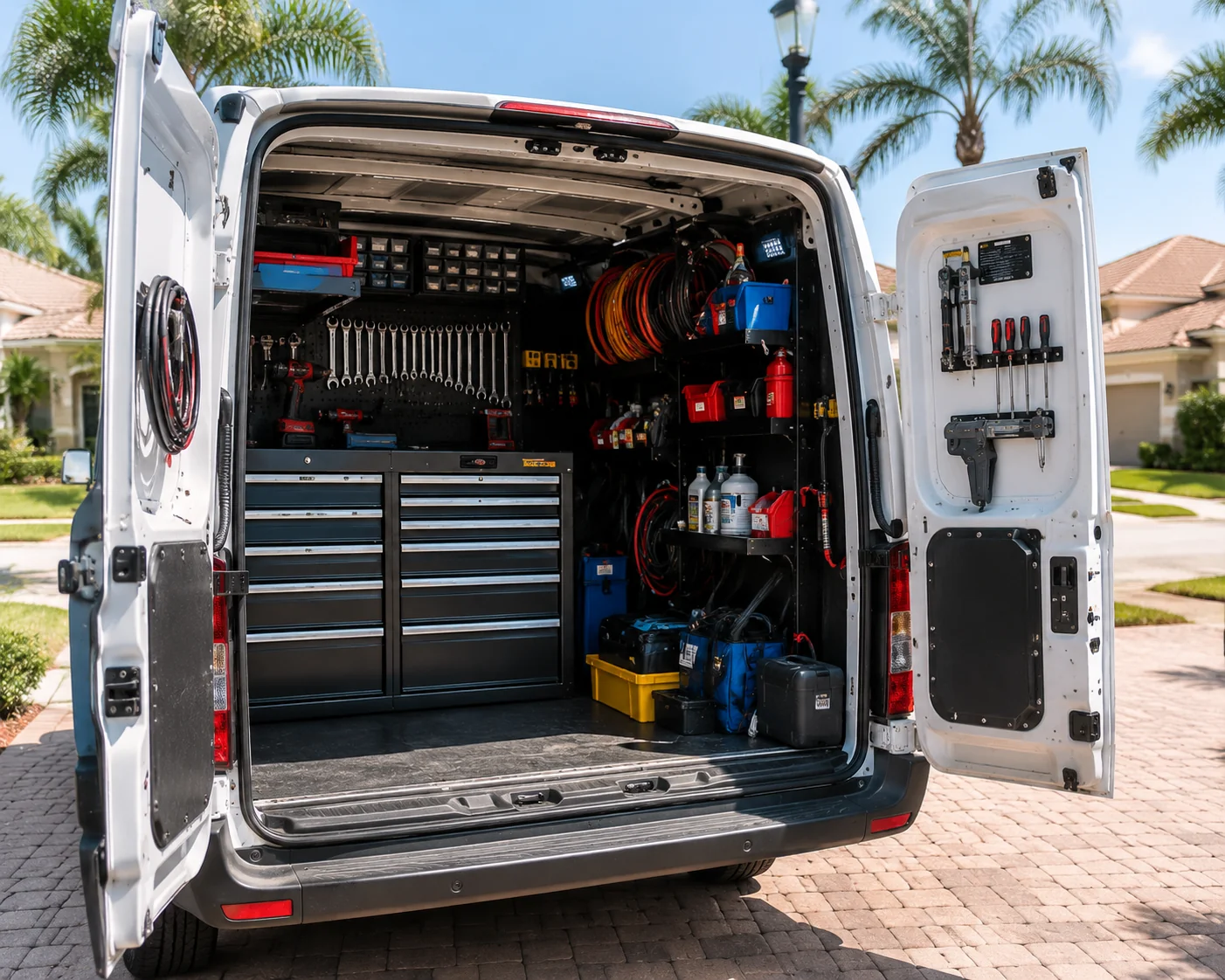
Golf Cart Battery Maintenance: Make Batteries Last
The single most effective way to extend the life of your golf cart battery pack is consistent, routine maintenance — watering, cleaning terminals, and following proper charging habits. Neglecting even one of these tasks accelerates sulfation and corrosion, cutting years off a pack that should last four to six years. This guide walks you through every step so you get the most out of your investment before a full replacement becomes necessary. Learn more about Golf Cart Battery Replacement.
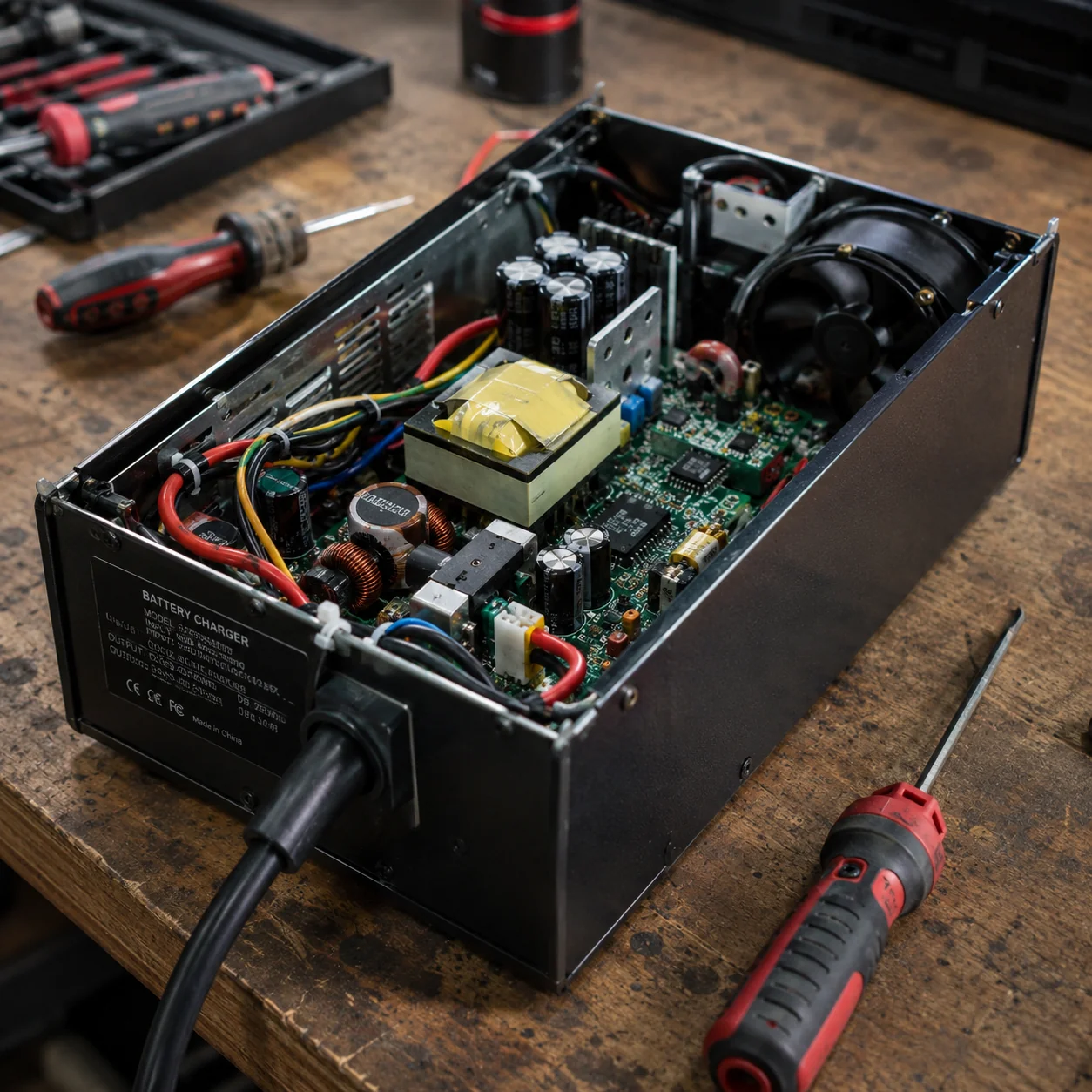
Why Routine Maintenance Matters More Than the Brand
Many golf cart owners assume battery life is mostly determined by the brand they buy, but maintenance habits have a far greater impact on longevity. A premium battery pack that is consistently underwatered or left on a dead charge will fail years ahead of schedule, while a mid-range pack that is properly maintained will often outlast it. In a warm climate like The Villages, where carts run year-round and sit in the heat between uses, the margin for neglect is even smaller. Building a simple monthly routine takes less than thirty minutes and can save you hundreds of dollars in premature replacement costs.
Watering and Terminal Cleaning: The Core Two Tasks
Flooded lead-acid batteries — the most common type in golf carts — require distilled water to replace what is lost through normal charging. Check water levels once a month and always add water after a full charge, never before, because charging causes the electrolyte to expand. The water should cover the plates by about a quarter inch but should never reach the bottom of the fill tube. Using tap water introduces minerals that accelerate plate damage, so distilled water is the only acceptable option.
Terminal corrosion is the other silent killer of battery packs. The white or blue-green buildup you see around battery posts creates resistance that forces your charger and motor controller to work harder, generating heat that shortens battery life. Clean terminals every two to three months using a mixture of baking soda and water, a stiff brush, and a thorough rinse. Once dry, apply a thin coat of battery terminal protector spray or petroleum jelly to slow future corrosion. Always disconnect the negative cable first and reconnect it last.
- Use only distilled water — never tap water
- Water after a full charge, not before
- Clean terminals every two to three months
- Apply terminal protector spray after cleaning
- Inspect cables for cracks or fraying while you are in there
Six Charging Habits That Protect Your Battery Pack
How you charge your batteries day to day has as much impact on lifespan as any physical maintenance task.
Charge after every use:
Lead-acid batteries degrade faster when left in a partially discharged state. Plug in after each ride, even if you only drove a short distance.
Never deep-discharge repeatedly:
Draining a pack below 50 percent regularly causes sulfation on the plates. Try to recharge before the battery meter drops into the red zone.
Use the correct charger:
A charger designed for 36-volt packs will damage a 48-volt system and vice versa. Always match the charger voltage and profile to your specific battery type.
Run equalization charges quarterly:
An equalization charge is a controlled overcharge that breaks up sulfate crystals and balances the cells. Most modern automatic chargers have an equalization setting — use it every three months.
Avoid charging in extreme heat:
Charging a hot battery after a long summer ride accelerates electrolyte loss. Let the pack cool for thirty minutes before plugging in on very hot days.
Store with a maintenance charge:
If the cart will sit unused for more than two weeks, connect a maintenance or trickle charger to keep the pack from self-discharging to a damaging low level.
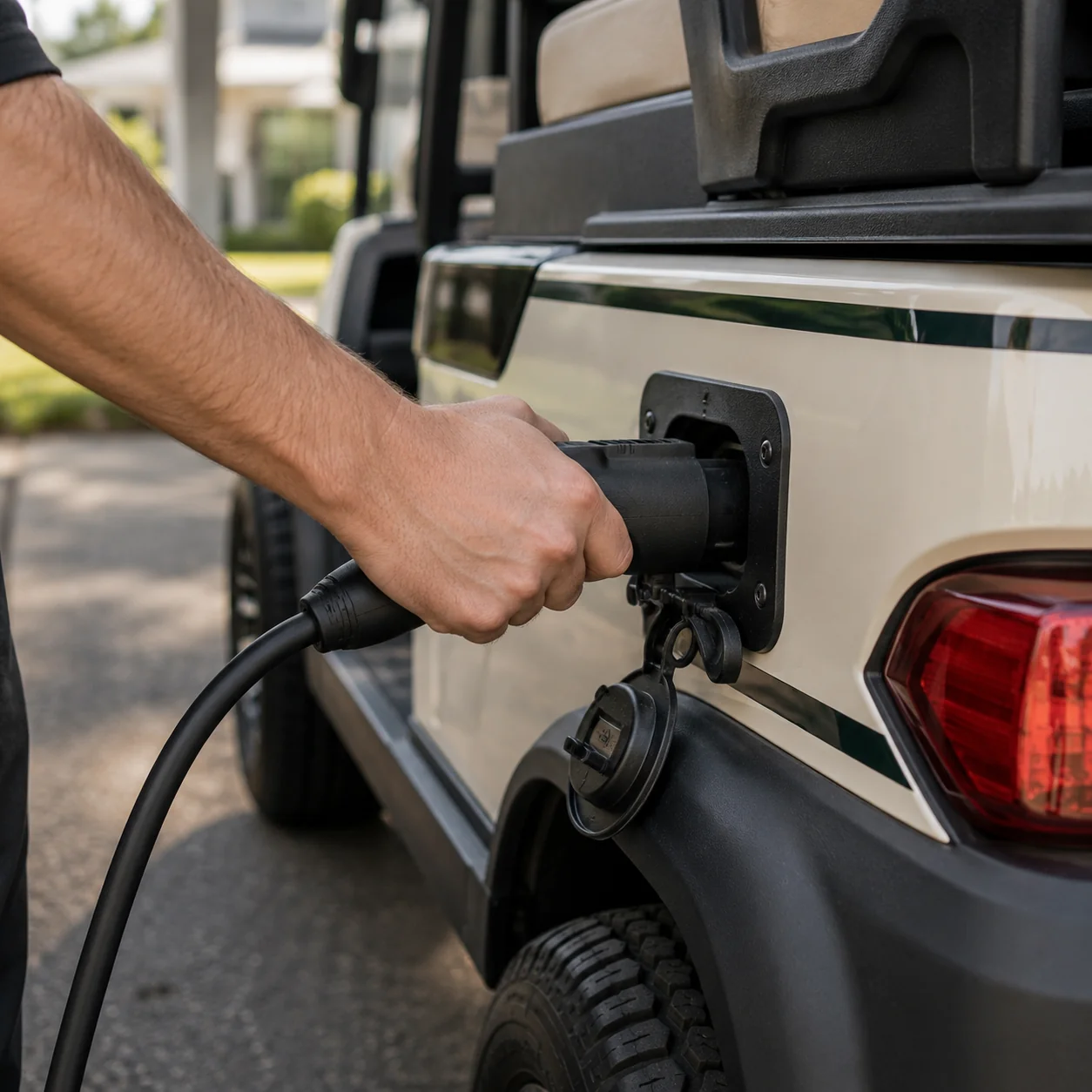
Storage Protocols for Seasonal or Extended Downtime
Even in a year-round community, some carts sit unused for weeks at a time when owners travel. Before storing a cart for any extended period, bring the battery pack to a full charge, clean all terminals, and top off the water levels. Disconnect the negative battery cable if the cart will sit for more than a month to prevent parasitic drain from the onboard electronics. Store the cart in a shaded or covered area whenever possible, since prolonged heat exposure accelerates self-discharge and degrades the battery case itself. Reconnecting and running a full charge cycle before putting the cart back into regular service will help you catch any weak cells before they leave you stranded.
Related Guides
Previous: Lead-Acid vs. Lithium Golf Cart Batteries: Which Should You Choose? | Next: Best Golf Cart Batteries to Buy: A Buyer's Guide for Golf Cart Owners
Frequently Asked Questions
How often should I add water to my golf cart batteries?
Check water levels once a month as a baseline, but always inspect them after a full charge cycle since that is when levels drop the most. Add distilled water until the plates are covered by about a quarter inch, and never fill past the bottom of the fill tube. Carts used daily in warm weather may need watering more frequently than once a month.
What happens if I let my golf cart battery run completely dead?
A single deep discharge is unlikely to cause permanent damage, but repeated full discharges accelerate sulfation — a buildup of lead sulfate crystals on the battery plates that permanently reduces capacity. If your cart has been sitting dead for more than a few days, a slow recovery charge may help, but some capacity loss may be permanent. Consistent partial discharges followed by prompt recharging is the best way to avoid this.
Can I use tap water instead of distilled water in my batteries?
No. Tap water contains minerals and chlorine that react with the battery electrolyte and accelerate plate corrosion and sulfation. Distilled water is inexpensive and widely available, and it is the only type that should ever go into a flooded lead-acid golf cart battery.
How do I know when maintenance is no longer enough and I need a replacement?
Signs that a battery pack is past the point of maintenance include a noticeably shorter range even after a full charge, one or more batteries that run hot during charging, visible swelling or cracking of the battery case, and a charger that shuts off unusually quickly. A load test performed by a technician can confirm which cells have failed. When more than one battery in the pack has failed, replacing the entire pack rather than individual batteries is usually the more cost-effective choice.
What is an equalization charge and do I really need it?
An equalization charge is a deliberate, controlled overcharge that brings all cells in a battery pack to the same voltage level and breaks up sulfate crystal buildup on the plates. Over time, individual cells in a pack drift apart in charge level, which reduces overall performance. Running an equalization cycle every three months using a charger that supports the function helps restore balance and extend pack life. Check your charger manual to confirm it has this feature before attempting it.
Does the hot Florida climate affect how I should maintain my batteries?
Yes. Heat speeds up self-discharge, increases water loss through evaporation during charging, and accelerates corrosion on terminals. In a warm climate, you should check water levels more frequently — every two to three weeks during heavy use — and be especially diligent about keeping terminals clean and protected. Storing the cart in a shaded or covered area and avoiding charging immediately after a long ride in peak summer heat will also help protect the pack.