Golf Cart Charger Not Working? Warning Signs to Know
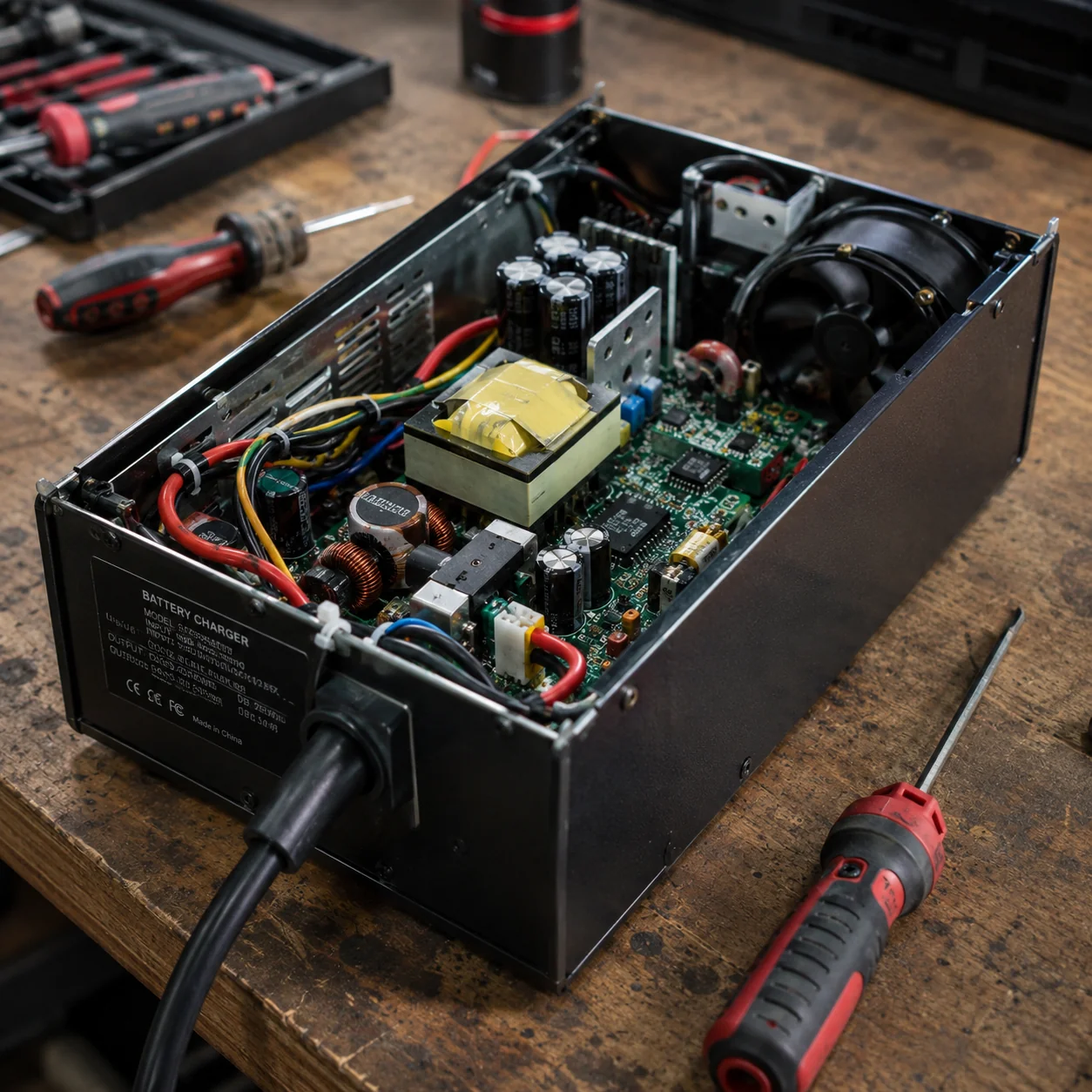
If your golf cart charger is behaving strangely, the problem rarely fixes itself — and ignoring it usually means a dead cart at the worst possible moment. The most common warning signs include no indicator lights when you plug in, the charger running unusually hot, clicking or buzzing sounds, and a battery that never reaches a full charge. Catching these symptoms early gives you the best chance of a straightforward repair rather than a full charger or battery replacement. Learn more about Golf Cart Charger Repair.
Why a Failing Charger Is More Than a Minor Inconvenience
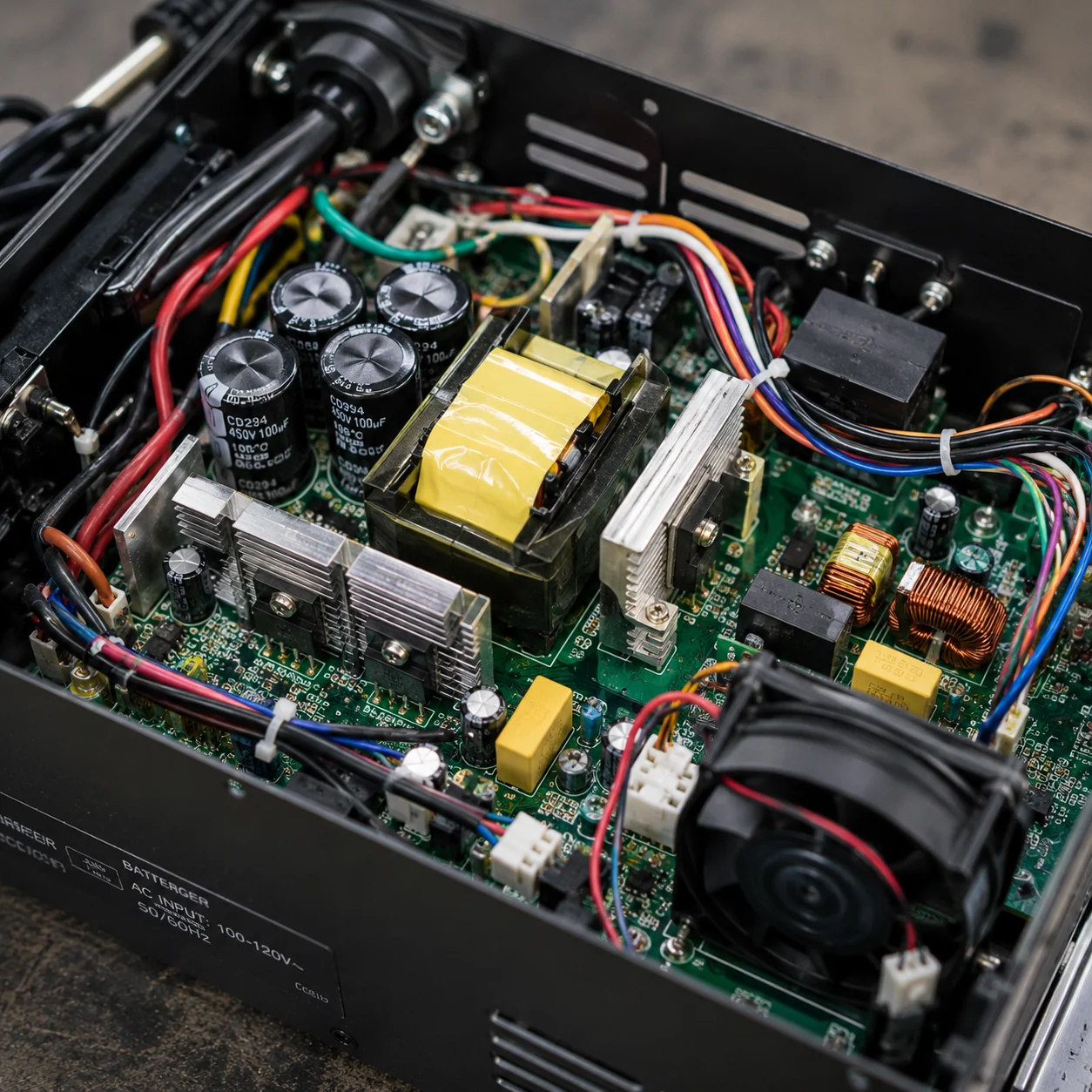
Your charger does more than refill a depleted battery — it regulates voltage and current to protect the battery pack from damage over every single charge cycle. When the charger starts to fail, it can undercharge or overcharge the batteries, quietly shortening their lifespan long before you notice anything obvious. In a community like The Villages, where a golf cart is often a primary way to get around, a charger problem can ground you faster than almost any other mechanical issue. Recognizing the early signs means you can schedule a repair on your terms instead of waiting for a complete breakdown.
Six Warning Signs Your Golf Cart Charger Needs Attention
Any one of these symptoms is worth investigating — more than one appearing together is a strong signal that a repair is overdue.
No indicator lights at all:
When you plug in and nothing happens — no lights, no fan noise, no hum — the charger is not receiving power or has an internal fault. Check the outlet first, and if power is confirmed, the charger itself likely needs diagnosis.
Charger runs but never shuts off:
A healthy charger cycles off automatically once the battery reaches full charge. If yours runs for hours without stopping, the internal shutoff circuit may be failing, which risks overcharging and damaging your battery pack.
Charger shuts off too quickly:
If the charger clicks off after only a few minutes, it may be reading a false full-charge signal or detecting a fault in the battery. Either way, your batteries are not getting the energy they need and range will suffer noticeably.
Overheating or burning smell:
Some warmth during charging is normal, but a charger that is hot to the touch or produces a burning or plastic smell has an internal component under stress. Stop using it immediately — overheating chargers are a fire risk.
Clicking, buzzing, or rattling sounds:
Unusual sounds often point to a failing relay, a loose internal connection, or a capacitor beginning to fail. These noises tend to get worse over time and rarely resolve without a repair.
Battery range declining steadily:
If your cart used to cover your full daily route and now runs low before you finish, the charger may be delivering inconsistent or insufficient charge. Rule out the charger before assuming the batteries themselves need replacement.
What Causes Golf Cart Chargers to Fail in the First Place
Most charger failures come down to a handful of root causes. Age and heat are the biggest factors — chargers used daily in warm climates like Central Florida experience more thermal stress than those in cooler regions, and internal components like capacitors, diodes, and relays have a finite lifespan. Voltage spikes from the power grid, corroded charging port connections, and water intrusion from outdoor storage all accelerate wear. Club Car, Yamaha, and EZ-GO chargers each have their own design quirks, and a technician familiar with your specific brand will diagnose problems faster and more accurately than a general repair shop.
It is also worth knowing that a bad battery pack can mimic a bad charger and vice versa. A severely sulfated or dead battery cell can prevent the charger from completing its cycle, making the charger appear faulty when the real problem is elsewhere. A proper diagnosis checks both the charger output and the battery bank before any parts are replaced, which saves you money and avoids fixing the wrong thing.
When to Stop Using Your Charger and Call for Help
If you notice a burning smell, visible scorch marks on the charger or charging port, or the charger feels dangerously hot, stop using it right away and unplug it from the wall. These are not symptoms to monitor — they are signs of an active safety concern. For everything else, the general rule is simple: if your cart is not holding a full charge and the charger is behaving in any way that seems off, getting a professional assessment sooner rather than later protects both your charger and your battery pack. A mobile technician can come to your home in The Villages and test the system on the spot, so you do not have to haul the cart anywhere to get answers.
Related Guides
Next: How Much Does Golf Cart Charger Repair Cost? A Realistic Breakdown
Frequently Asked Questions
Can I still drive my cart if the charger is acting up?
You can drive on whatever charge is currently in the batteries, but you should avoid running them all the way down. Deeply discharging a battery pack that cannot be properly recharged accelerates battery damage and can make a simple charger repair turn into a much more expensive battery replacement.
How do I know if the problem is the charger or the batteries?
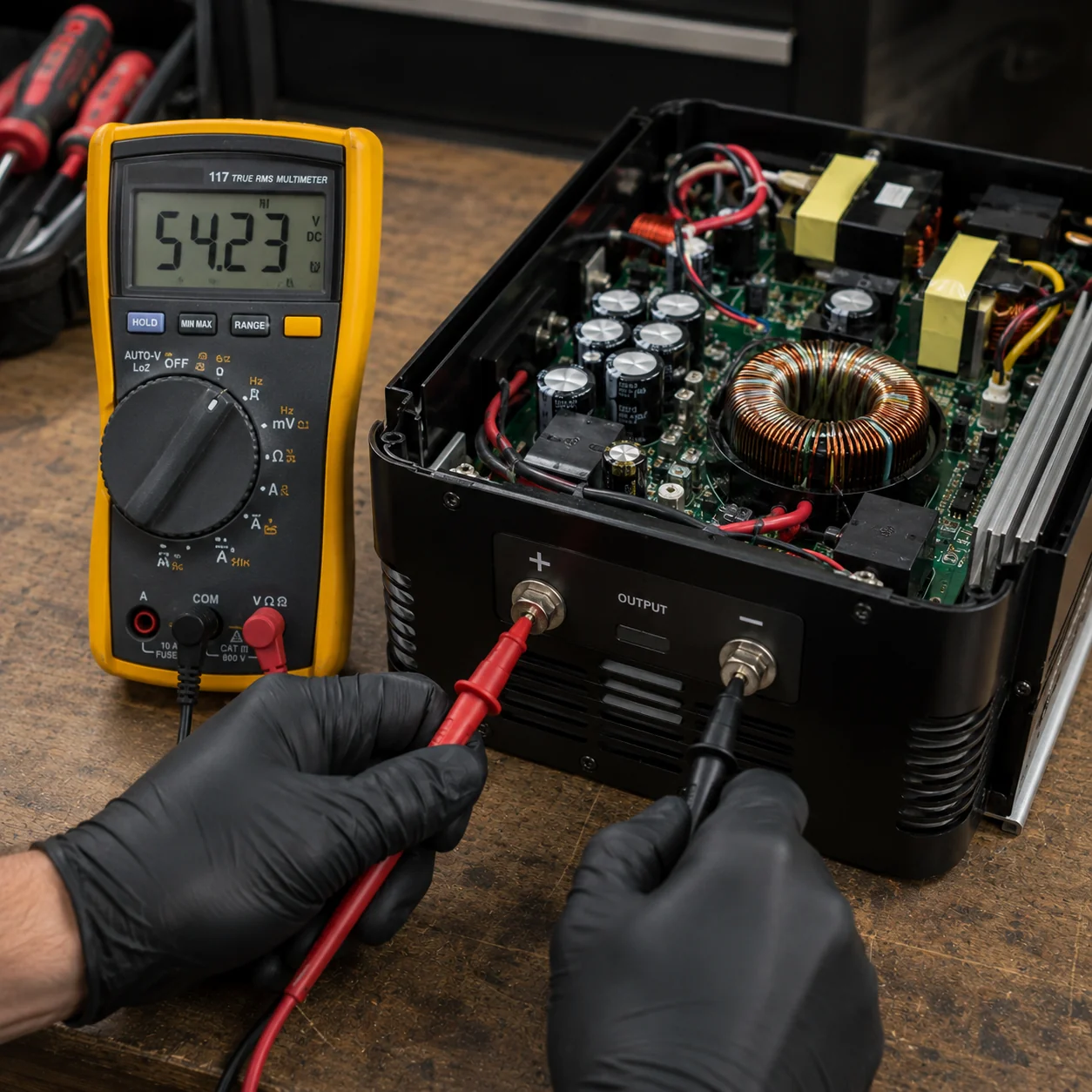
A technician will test the charger's output voltage and amperage with a meter and also load-test the individual battery cells. If the charger is delivering proper output but the batteries are not holding it, the batteries are the issue. If the charger output is weak or erratic, the charger is the culprit.
Is it worth repairing a golf cart charger or should I just replace it?
Many charger faults — a failed relay, a bad diode, or a corroded connection — are straightforward and inexpensive to fix. Replacement makes more sense when the charger is very old, has multiple failed components, or the cost of repair approaches the cost of a new unit. A technician can give you an honest comparison once they have diagnosed the fault.
My charger light is green immediately after plugging in. Is that normal?
No, a green light that appears right away usually means the charger is not actually detecting the battery or is reading a false full-charge signal. This is a known issue on several Club Car and EZ-GO models and typically points to a fault in the charger's sensing circuit rather than a truly full battery.
How long should a golf cart charger last?
A well-maintained charger used daily typically lasts five to ten years, though heavy use in hot climates can shorten that range. Keeping the charger in a shaded, ventilated spot and ensuring the charging port connections stay clean and corrosion-free will help it reach the longer end of its lifespan.
Do I need a specific charger for my brand of golf cart?
Yes — Club Car, Yamaha, and EZ-GO chargers are not universally interchangeable. They differ in voltage output, connector type, and charging algorithm. Using the wrong charger can damage your battery pack or simply fail to charge it properly, so always confirm compatibility before using a replacement unit.