How to Patch a Golf Cart Tire (And When to Skip It)
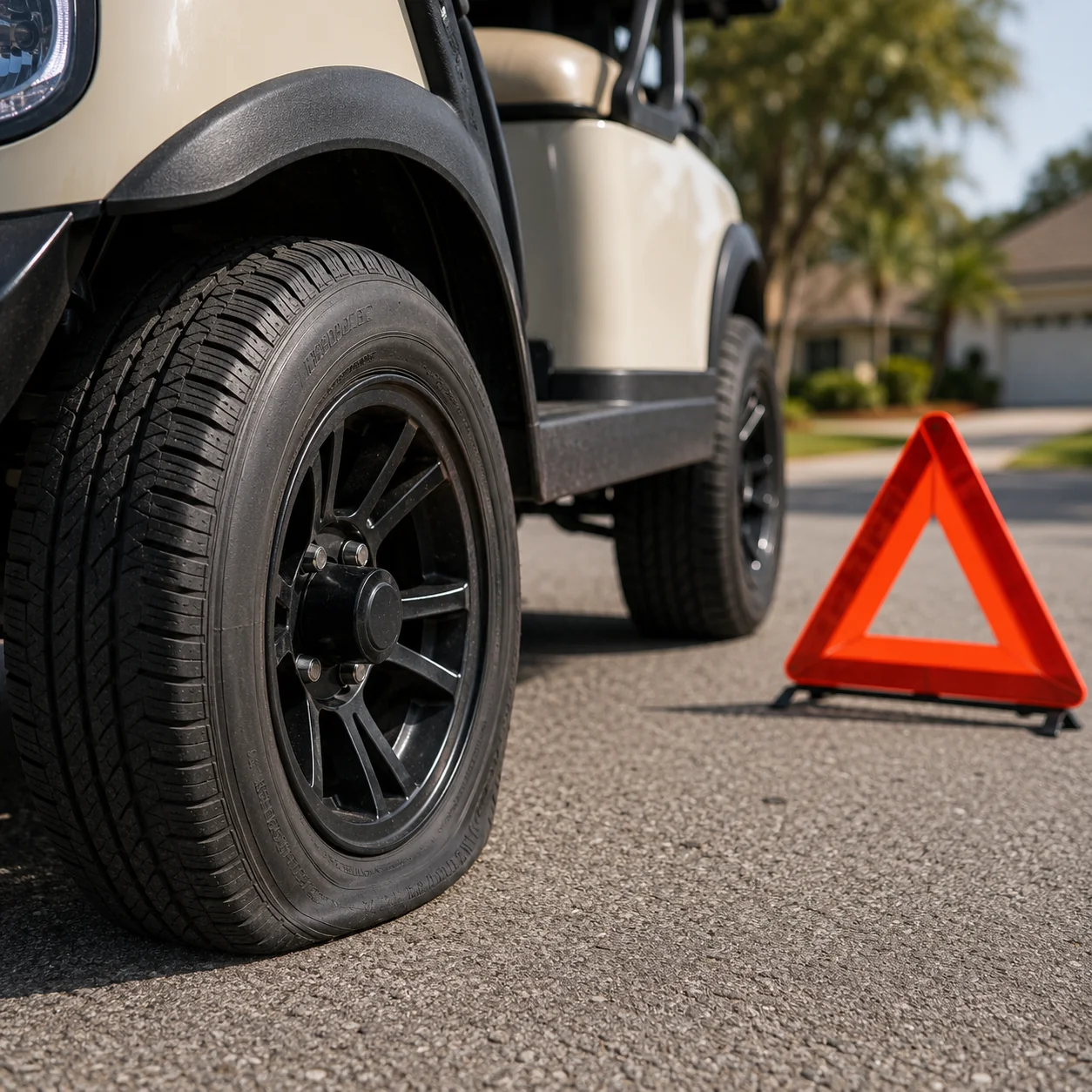
You can patch most golf cart tire punctures at home in under 30 minutes using a plug kit or patch kit, as long as the hole is small, centered in the tread, and the tire is tubeless. If the puncture is in the sidewall, larger than a quarter inch, or your cart runs tubed tires, a professional repair is the safer and more cost-effective choice. Learn more about Golf Cart Tire Repair.
What You Need Before You Start
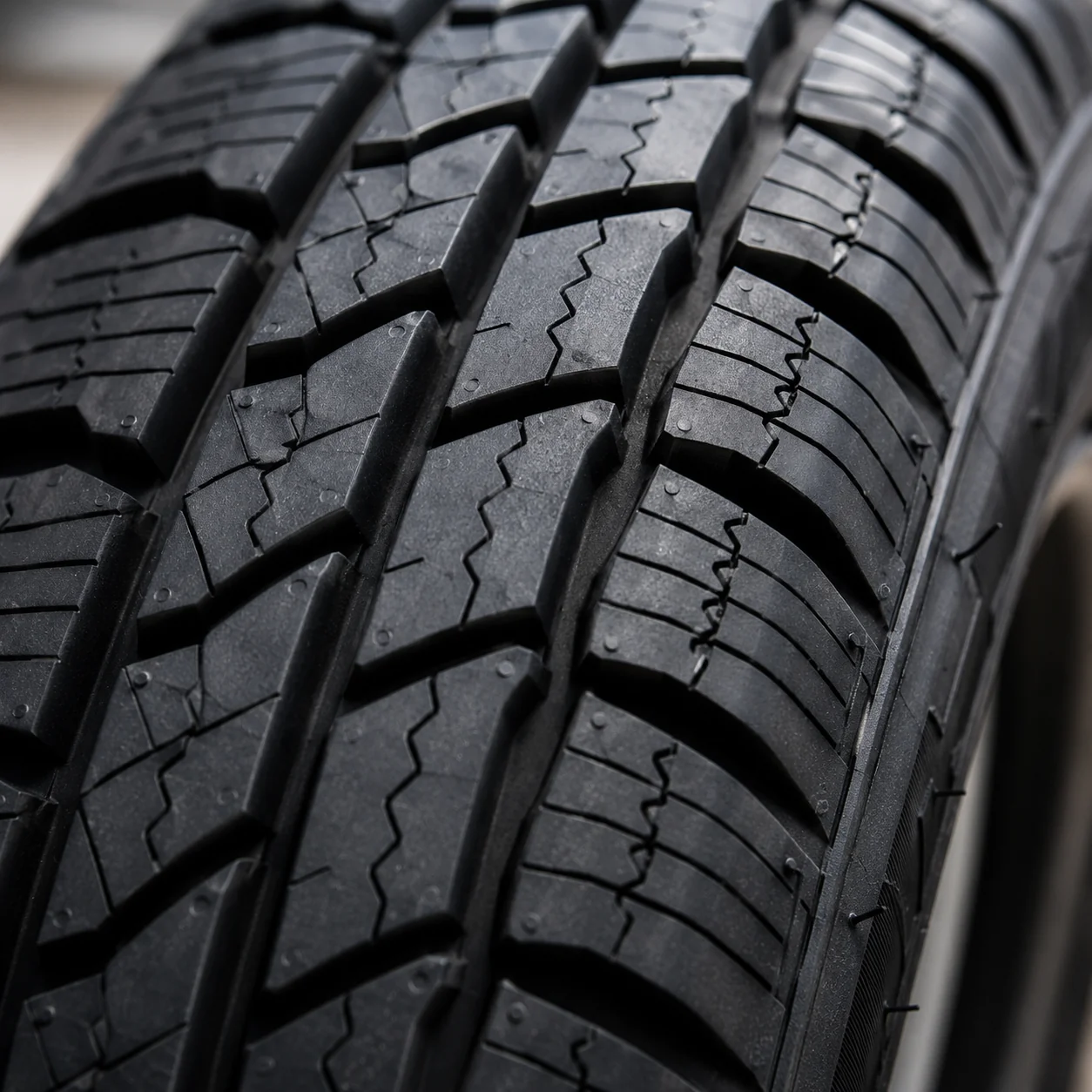
Gather your supplies before pulling the tire. A basic tubeless tire plug kit costs under fifteen dollars at most auto parts stores and includes a reaming tool, plug strips, and insertion tool. You will also want a portable air compressor or hand pump, soapy water in a spray bottle to locate the leak, and a pair of pliers to remove the offending object. Check whether your cart uses tubed or tubeless tires before you begin, because the repair process differs significantly and using the wrong method can cause a blowout.
Step-by-Step: Plugging a Tubeless Golf Cart Tire
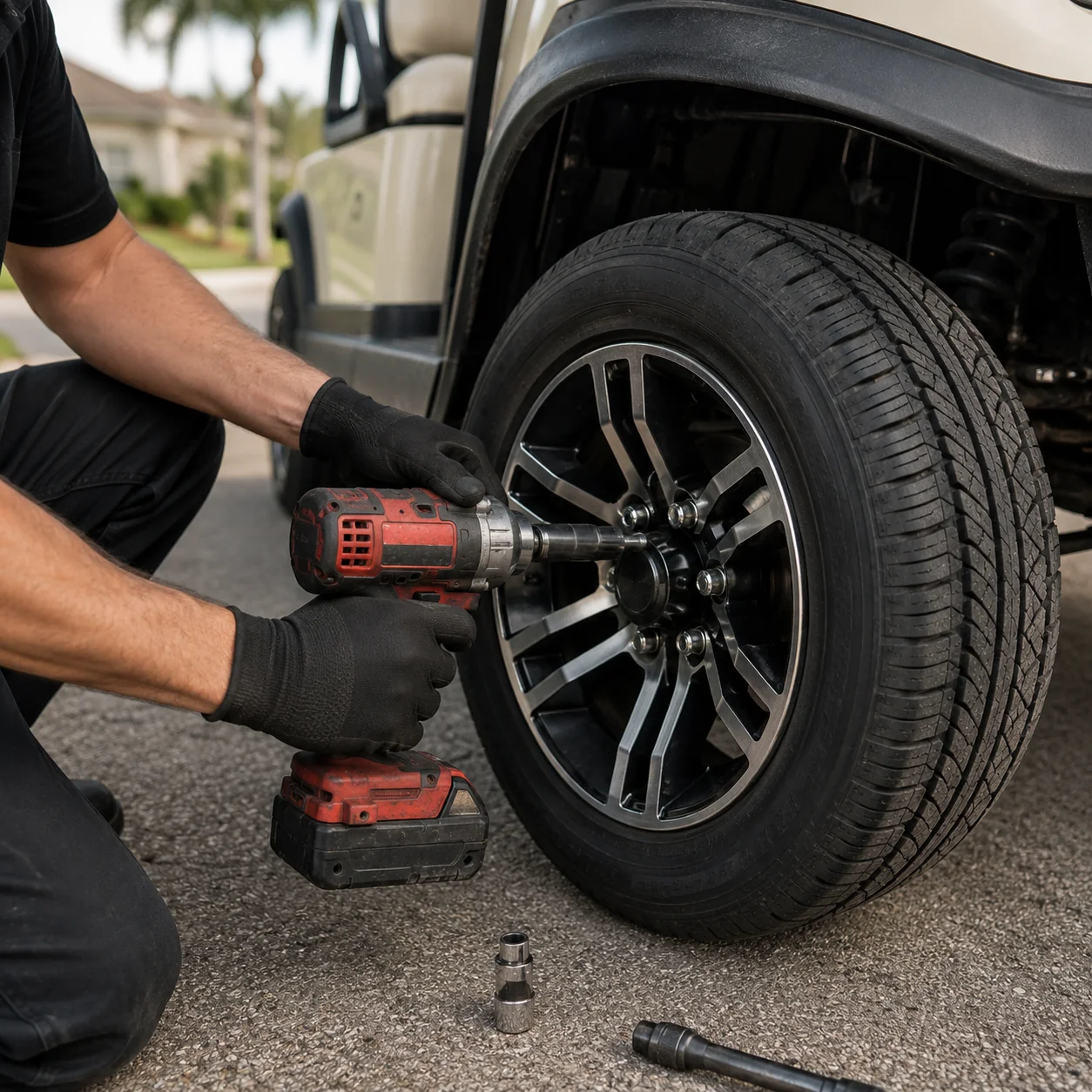
Start by locating the puncture. Spray soapy water across the tread while the tire is still inflated and watch for bubbling. Once you find the object, leave it in place until you are ready to plug — it is slowing the air loss. Use pliers to pull it straight out, then immediately insert the reaming tool into the hole and work it back and forth several times to roughen the edges. This step is easy to skip but it matters: a clean, roughened channel holds the plug far better than a smooth one.
Thread a plug strip through the eye of the insertion tool so equal lengths hang on both sides. Push the tool firmly into the hole until about a half inch of plug material sticks out, then pull the tool straight back out in one quick motion. The plug stays behind and seals the channel. Trim the excess flush with the tread using a utility knife, re-inflate to the manufacturer's recommended pressure (typically 15 to 22 PSI for most golf cart tires), and spray soapy water over the repair to confirm the seal. If bubbles appear, the plug did not seat fully and you should repeat the process or move on to a professional patch.
- Do not plug the same hole twice — a second plug rarely seals cleanly
- Avoid driving faster than 15 mph for the first hour after plugging
- Mark the repair location with a paint pen so a technician can inspect it later
- Re-check pressure after 24 hours to confirm the plug is holding
When to Call a Professional Instead of DIYing
Some tire damage looks minor but creates real safety risk — here are the situations where a shop repair is the right call.
Sidewall puncture:
Sidewalls flex constantly under load and a plug or patch cannot hold reliably there. A sidewall puncture almost always means the tire needs replacement.
Hole larger than 1/4 inch:
Plug strips are designed for small punctures. A larger hole allows the plug to shift under pressure, which can cause a sudden loss of air while the cart is moving.
Tubed tires:
Many older Club Car, Yamaha, and EZ-GO models use inner tubes. Patching a tube requires removing the tire from the rim entirely, which needs tire irons and some practice to avoid pinching the new tube.
Visible cracking or dry rot:
A puncture in an already-degraded tire is a sign the whole tire is near the end of its life. Patching it delays an inevitable failure and can leave you stranded.
Bead damage or rim leak:
If air is escaping where the tire meets the rim rather than through a puncture, the bead may be seated incorrectly or the rim may be bent. This requires professional equipment to diagnose and fix.
Is Fix-a-Flat Safe for Golf Cart Tires?
Fix-a-Flat and similar aerosol sealants can get you moving again in an emergency, but they are not a permanent repair and come with real drawbacks for golf cart tires. The foam coats the inside of the tire and the rim, making a proper patch or plug much harder to apply later and sometimes damaging the valve stem. On tubed tires, aerosol sealants can cause the tube to stick to the tire casing, turning a simple tube swap into a messy, time-consuming job. Use them only as a last resort to limp home, and tell your technician you used one so they can clean the rim before mounting a replacement.
Related Guides
Previous: How Much Does Golf Cart Tire Repair Cost? A Complete Price Guide
Frequently Asked Questions
How long does a plug repair last on a golf cart tire?
A properly installed plug in a clean, tread-area puncture can last the remaining life of the tire. That said, plugs are considered a temporary-to-semi-permanent fix by most tire manufacturers, and a patch applied from inside the tire is the more durable long-term solution. If you plan to keep the cart for several more years, ask a technician to apply an internal patch over the plug.
Can I drive my golf cart on a flat tire to get it to a shop?
Driving even a short distance on a completely flat tire can damage the rim and destroy the tire sidewall, turning a simple repair into a more expensive replacement. If the cart is close to home, use a portable inflator to add enough air to move it safely. If it is too far, a mobile repair service that comes to you is a better option than risking rim damage.
How do I know if my golf cart tires are tubed or tubeless?
Check the sidewall for the word 'Tubeless' — most tires manufactured in the last fifteen years are tubeless. If there is no marking, look at the valve stem: a rubber snap-in stem typically indicates a tubeless setup, while a metal stem held by a nut often signals a tubed tire. When in doubt, a technician can confirm in seconds.
What PSI should golf cart tires be inflated to?
Most standard golf cart tires run between 15 and 22 PSI, but the correct pressure is printed on the tire sidewall and in your owner's manual. Low-profile or all-terrain tires may have different requirements. Running tires underinflated causes premature wear and makes punctures more likely, so check pressure monthly.
How much does a professional golf cart tire repair cost?
A basic plug or patch repair at a shop typically runs between fifteen and forty dollars per tire depending on the type of repair needed. Tube replacement costs more because of the additional labor involved in dismounting the tire. Mobile repair services may charge a small trip fee on top of the repair cost, but that is often worth it to avoid transporting the cart.
When should I replace a golf cart tire instead of repairing it?
Replace the tire if the tread depth is worn below 2/32 of an inch, if you see cracks or bulges in the sidewall, if the tire has been run flat and the sidewall is visibly creased, or if the same tire has been repaired more than once. A worn tire that holds a plug today can fail without warning in a few months.