Golf Cart Tire Repair Cost: A Complete Price Guide
Most golf cart tire repairs in The Villages run between $10 and $25 for a simple plug or patch, while a full single-tire replacement typically falls in the $40 to $120 range depending on tire size and brand. Knowing what drives those numbers helps you decide whether a quick roadside fix makes sense or whether it is time to swap the tire entirely. This guide breaks down every common service so you can budget accurately before a technician arrives. Learn more about Golf Cart Tire Repair.
The Two Main Repair Options: Plugs and Patches
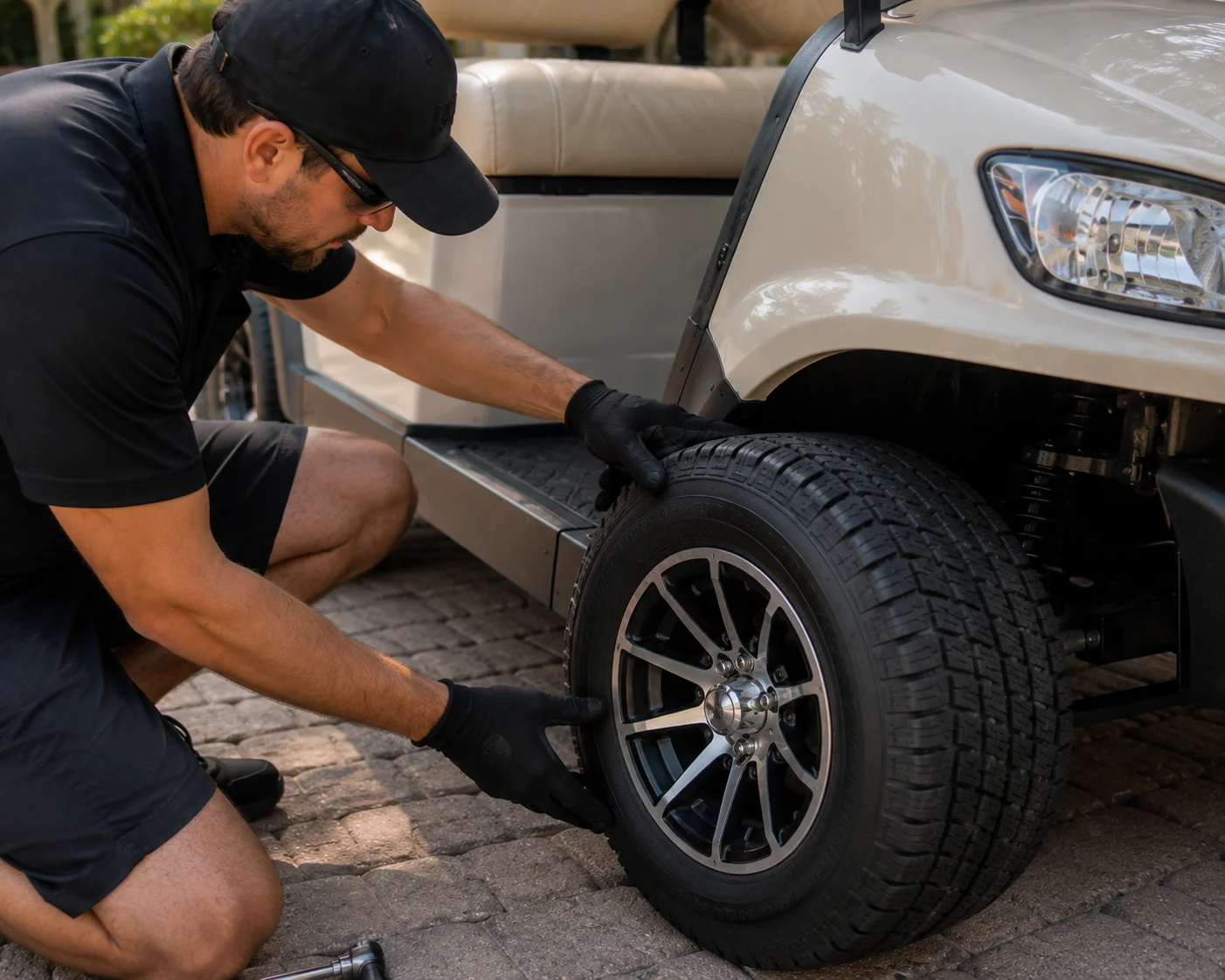
A plug is the fastest fix for a small puncture caused by a nail or screw. A technician inserts a rubber plug directly into the hole from the outside, and the job usually takes under fifteen minutes. A patch requires dismounting the tire so the inside surface can be cleaned and bonded, which takes longer but creates a more durable seal. For most slow leaks on a golf cart tire, a plug-patch combo — where both methods are used together — is considered the gold standard and costs only a few dollars more than a plug alone.
Typical Cost Ranges by Service Type
These ranges reflect what cart owners commonly pay for each service when a mobile technician handles the work on-site.
Tire Plug:
Usually $10 to $20 per tire. Best for small, clean punctures in the tread area where the tire still holds its shape.
Tire Patch:
Typically $15 to $25 per tire. Requires dismounting, so it takes more time but provides a stronger, longer-lasting repair.
Plug-Patch Combo:
Generally $20 to $30 per tire. Combines both methods for the most reliable seal and is recommended whenever the tire can be safely saved.
Single Tire Replacement:
Parts and labor together often run $40 to $120. Price varies based on tire size, tread style, and whether you choose a budget or name-brand option.
Full Set of Four Tires:
Expect $160 to $450 for a complete replacement. Buying all four at once frequently lowers the per-tire cost and ensures even wear going forward.
Valve Stem Replacement:
A small but important repair that usually adds $5 to $10 per wheel when done alongside another service.
What Makes One Repair Cost More Than Another
Several factors push a bill toward the higher end of any range. Tire size matters most — larger low-profile tires used on lifted carts cost more to purchase and require slightly more labor to mount and balance. Brand also plays a role, since name-brand tires from manufacturers like Carlisle or Kenda carry a premium over generic alternatives. The location of the puncture is equally important: damage in the sidewall cannot be safely repaired and almost always means the tire must be replaced, which changes the conversation from a $15 fix to a $50 or higher replacement.
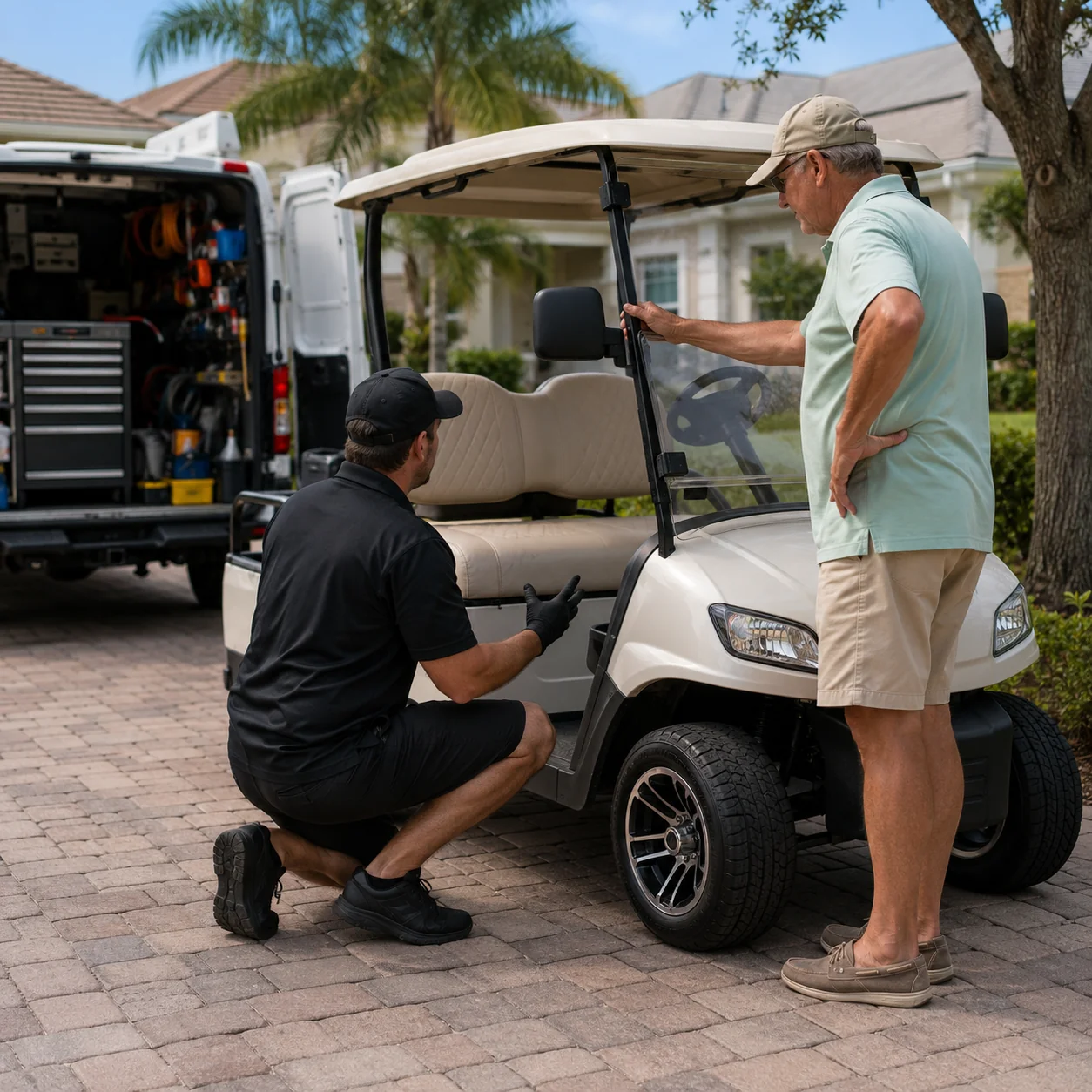
Mobile service adds convenience but can include a trip or dispatch fee, typically $15 to $30, that covers the technician coming directly to your driveway or community. Many cart owners in retirement communities find that fee worthwhile compared to arranging a trailer or tow. If you are having multiple tires serviced in a single visit, that dispatch cost is spread across the work, making the per-tire price more competitive.
- Sidewall damage always requires full replacement — no patch or plug can safely fix it
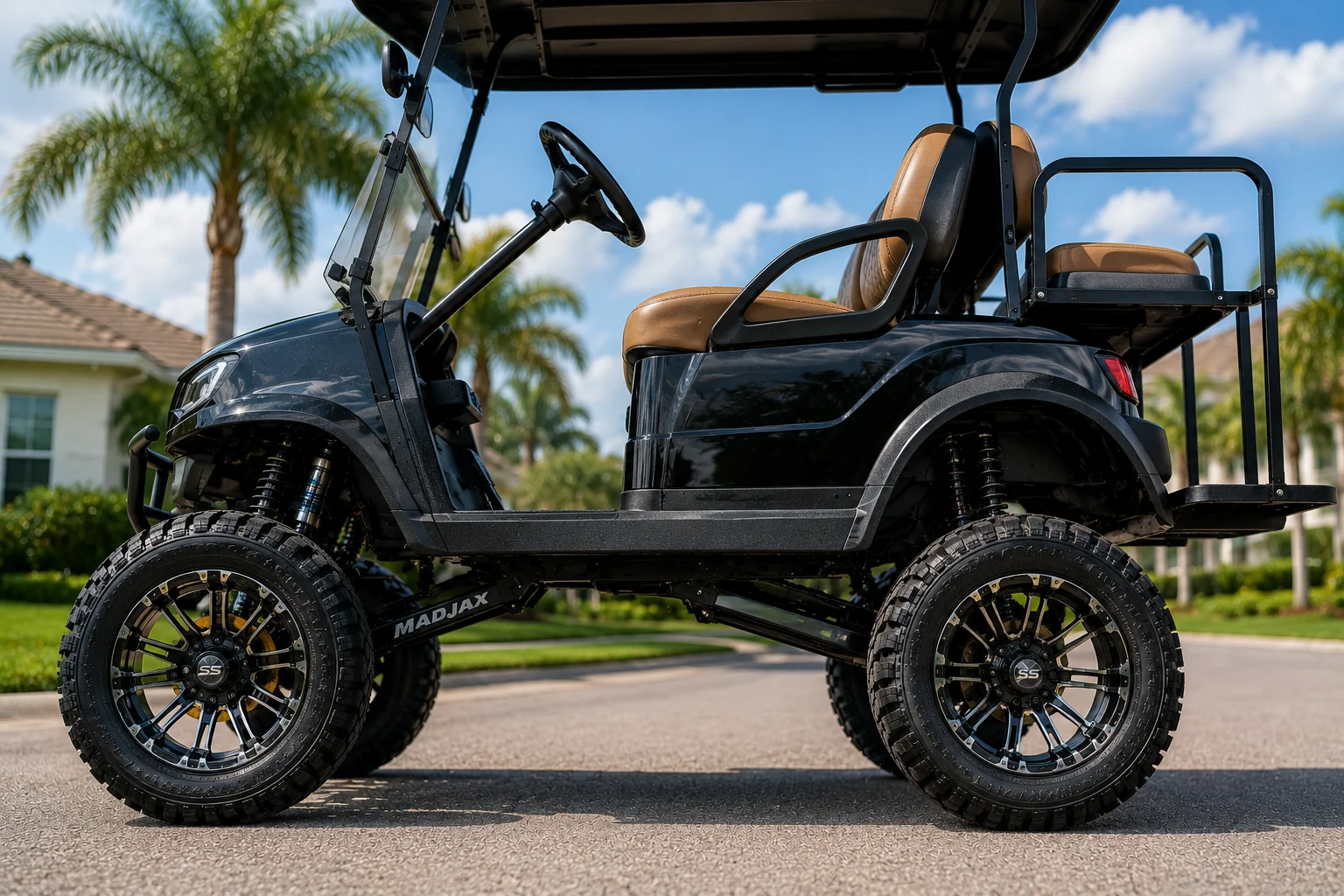
- Larger tires on lifted carts cost more to buy and mount than standard 18-inch options
- Combining multiple repairs in one visit lowers the effective cost per tire
- Older tires with cracked sidewalls may not be worth repairing even if the puncture is small
When Repair Makes Sense Versus Full Replacement
A tire is generally worth repairing if the puncture is smaller than a quarter inch, sits in the center tread, and the tire still has reasonable tread depth remaining. If the tire is more than four or five years old, shows sidewall cracking, or has been run flat even briefly, replacement is the smarter investment because a repaired tire on a compromised casing can fail again quickly. A good technician will inspect the tire before quoting a repair and tell you honestly whether saving it is practical — that transparency is a sign you are working with someone who values the long-term safety of your cart over a quick upsell.
Related Guides
Previous: Golf Cart Tire Repair vs. Replacement: How to Know Which You Need | Next: How to Patch a Golf Cart Tire: DIY Repair vs. Calling a Pro
Frequently Asked Questions
Can I plug a golf cart tire myself to save money?
DIY plug kits are available at auto parts stores for around $5 to $10, and they can work for a temporary fix on a small tread puncture. However, a plug installed without proper tools or technique can work loose, and you will not be able to inspect the inside of the tire for hidden damage. For a permanent repair, having a technician do a proper plug-patch combo is worth the modest extra cost.
How long does a patched golf cart tire last?
A correctly applied patch in the tread area can last the remaining life of the tire, which is often several more years of normal use. The repair is only as good as the condition of the tire around it, so if the casing is old or the tread is worn thin, the patch may outlast the tire itself. Regular pressure checks help any repaired tire perform as expected.
Is it safe to drive on a slow-leaking golf cart tire?
Driving on a low tire puts stress on the sidewall and can cause internal damage that makes the tire unrepairable, turning a $20 fix into a $70 replacement. Even at low golf cart speeds, a flat or near-flat tire can damage the rim. It is better to stop, add air if you have a portable inflator, and call for a repair as soon as possible.
Do all four tires need to be replaced at the same time?
Not always, but replacing tires in pairs on the same axle is a good practice to keep handling balanced. If one tire is significantly more worn than the others, replacing all four at once often makes financial sense because you avoid a second service call within a year or two. A technician can measure tread depth and give you an honest assessment of which tires still have useful life.
What tire size do most golf carts in The Villages use?
The most common sizes are 18×8.50-8 and 20×10-10, though lifted carts may run larger options like 22×11-10 or 23×10.5-12. Knowing your current tire size before calling for service helps the technician arrive with the right replacement in stock. The size is molded into the sidewall of your existing tire.
Will a mobile technician charge more than a shop for tire repair?
The repair labor itself is usually priced similarly, but a mobile visit typically includes a dispatch or trip fee that a walk-in shop does not charge. For most cart owners, the convenience of on-site service outweighs that fee, especially when transporting a cart requires renting a trailer or arranging a tow. Asking about the dispatch fee upfront lets you compare the true total cost.